Table of Contents
ToggleThe used tiny home market has exploded over the past few years as early adopters upgrade, relocate, or return to traditional housing. For buyers willing to do their assignments, that means access to micro dwellings at a fraction of new-build costs, often $20,000 to $60,000 instead of $80,000 and up. But buying pre-owned comes with risks: hidden structural damage, code violations, title complications, and systems that weren’t built to last. This guide walks through where to find used tiny homes, what to inspect before handing over cash, and how to finance a purchase that most banks won’t touch.
Key Takeaways
- Used tiny homes offer buyers significant cost savings of $20,000 to $60,000 compared to new-build prices, providing move-in-ready options with proven durability and design practicality.
- Structural and systems inspections are critical when buying a pre-owned tiny home—hire a certified inspector to check frame integrity, foundation condition, roof flashing, plumbing, electrical compliance, and HVAC functionality, as repairs can cost tens of thousands.
- Finding used tiny homes requires checking multiple channels including Tiny House Listings, Facebook Marketplace, Craigslist, builder lots, tiny home communities, and RV parks, while always requesting build documents and trailer titles or foundation surveys.
- Financing a used tiny home typically requires personal loans through credit unions or online lenders at 7-15% APR, RV loans for RVIA-certified homes, or cash purchases, since most conventional mortgage lenders won’t finance these properties.
- Budget hidden costs beyond the purchase price, including professional towing ($1-$3 per mile), site preparation ($2,000-$10,000), permits ($500-$2,000), and annual insurance ($600-$1,200), to avoid financial surprises.
What Is a Used Tiny Home and Why Consider One?
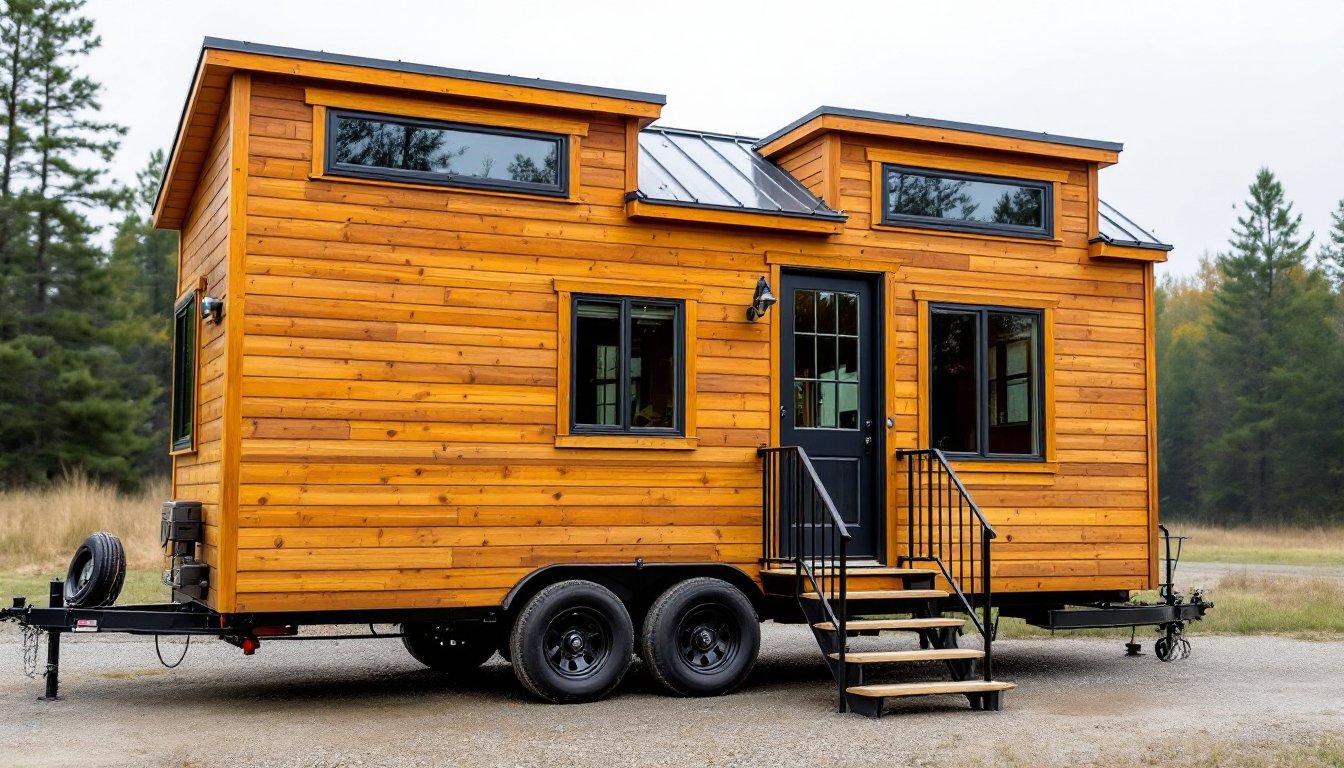
A used tiny home is any previously owned dwelling under 400 square feet that’s been lived in, shown, or sat on a lot for at least a season. Most are built on trailers (THOW, tiny house on wheels) to skirt local zoning, though some sit on permanent foundations as ADUs (accessory dwelling units).
Buyers consider used units for three reasons: price, availability, and proven durability. New builds often require 6–12 month lead times and deposits that tie up capital. A used home is move-in ready, or at least movable, and the asking price reflects real wear, not theoretical resale value.
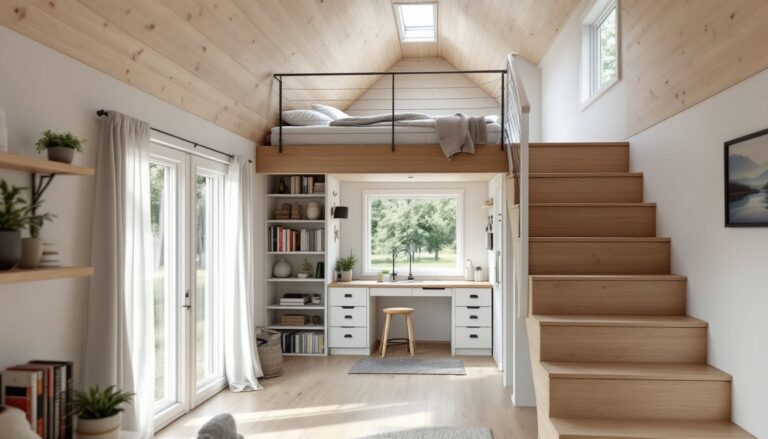
You’ll also see what systems actually held up. Did the composting toilet work in practice? Is the loft ladder still solid after two years of daily use? A used home reveals whether the builder’s design choices were practical or just Instagram-friendly.
That said, “used” doesn’t always mean “bargain.” Poorly maintained units can cost more to repair than they’re worth, and title issues, especially with trailers registered in another state, can stall or kill a deal.
Where to Find Used Tiny Homes for Sale
The used tiny home market is fragmented. There’s no MLS equivalent, so buyers need to check multiple channels.
Online marketplaces are the starting point:
- Tiny House Listings (TinyHouseListings.com) aggregates private sellers, builders offloading spec homes, and RV park residents downsizing.
- Facebook Marketplace and niche groups (search “tiny house for sale” + your state) surface local inventory, often from owners who never listed elsewhere.
- Craigslist still works in rural areas where tiny homes sit on private land.
Builder and dealer lots sometimes take trade-ins or repossess units from buyers who couldn’t make payments. These come with basic inspections and occasionally a limited warranty, worth the 10–15% markup for peace of mind.
Tiny home communities and RV parks are goldmines. Residents who’ve lived tiny for a few years often sell when job or family situations change. Visit in person: many don’t bother listing online.
Auctions and estate sales occasionally include tiny homes, especially if the owner passed or moved into assisted living. Expect minimal disclosure and strict as-is terms.
Whatever the source, ask for build documents: original plans, permits (if any), trailer title or foundation survey, and receipts for major systems. Sellers who can’t produce paperwork are either disorganized or hiding something.
What to Inspect Before Buying a Pre-Owned Tiny House
Walk away from any seller who won’t allow a thorough inspection. Hiring a certified home inspector familiar with tiny homes or RVs is worth $300–$500: structural problems can cost tens of thousands to fix.
Structural Integrity and Foundation Concerns
Start underneath. For trailer-mounted homes, inspect the frame for rust, especially at weld points and where cross-members meet the tongue. Check tire age (DOT date code on the sidewall), anything over six years should be replaced before towing, even if tread looks fine. Axles and suspension should show no cracks or sag: a loaded tiny home can weigh 10,000–15,000 lbs, and failures happen at highway speed.
Look at the subfloor. Soft spots, staining, or a musty smell indicate water intrusion. Pull back a section of flooring if the seller allows it, rotted joists or rim boards mean the home isn’t roadworthy and may not be safe to occupy.
For homes on permanent foundations (piers, slab, or crawlspace), check for settling, cracked beams, or pest damage. Tiny homes often use 2×4 or 2×6 framing on 16″ or 24″ centers: any bowing or separation from the sill plate is a red flag. Many small space living ideas work better when the structure itself is sound, cosmetic fixes are easy, but a sagging frame isn’t.
Roof and exterior sheathing take a beating. Inspect flashing around windows, vents, and the roof-to-wall transition. Tiny homes have less thermal mass, so condensation and ice damming can rot sheathing faster than in conventional builds. Check for soft spots by pressing firmly along seams.
Plumbing, Electrical, and Systems Evaluation
Tiny home systems are often DIY or assembled from RV parts, which means creativity, but also variability in code compliance.
Plumbing: Turn on every faucet, flush the toilet, and run the shower for five minutes. Check under sinks and around the water heater for stains or active leaks. If the home uses a composting toilet, ask how often it’s been emptied and whether the vent fan works (a failed fan makes the space unlivable). For homes with gray and black water tanks, inspect valves, hoses, and mounting brackets, leaks here create both mess and liability.
Electrical: Verify the system voltage (30-amp RV, 50-amp RV, or residential 100–200 amp service) and confirm it matches your intended parking spot. Open the breaker panel and look for double-tapped breakers, scorched wires, or missing knockouts, signs of amateur work. Test every outlet with a simple three-prong tester ($5 at any hardware store) to catch reversed polarity or missing grounds. Tiny homes often mix 12V DC (for lighting) and 120V AC (for appliances): make sure both systems function and that the converter or inverter isn’t buzzing or overheating.
If the home has solar panels, ask for the system specs, battery age, and whether the charge controller is PWM or MPPT (the latter is more efficient). A failing battery bank can cost $2,000–$5,000 to replace.
HVAC: Most tiny homes use a mini-split heat pump, vented propane heater, or electric baseboard. Run the system through a full heating and cooling cycle. Check ductwork (if any) for gaps or disconnections. Poor insulation, common in early DIY builds, makes even a good HVAC system struggle. Press your hand against exterior walls in winter or summer: if it feels like the outside temperature, budget for spray foam or rigid foam upgrades.
Ventilation is critical. Tiny homes generate a lot of moisture (cooking, showering, breathing). Look for bathroom and range exhaust fans that vent to the outside, not into the attic or wall cavity. Mold behind wall panels is common in homes without proper air exchange.
Financing and Budgeting for a Used Tiny Home
Most conventional mortgage lenders won’t touch a tiny home, especially one on wheels. Here’s what actually works.
Personal loans are the most common route. Credit unions and online lenders (LightStream, SoFi) offer unsecured loans up to $100,000 at rates between 7–15% APR depending on credit. Terms run 3–7 years, so monthly payments on a $50,000 loan can hit $700–$1,000. For buyers planning to declutter and downsize, the lower overhead of tiny living often offsets the payment.
RV loans work if the tiny home is RVIA-certified (rare for custom builds, more common for park models). Rates are slightly better than personal loans (6–12%), and terms stretch to 10–15 years, but certification is a hard requirement.
Cash purchases dominate the market. Sellers prefer them, and buyers avoid interest and approval delays. If you’re liquidating a traditional home or inheritance, paying outright simplifies title transfer and parking negotiations.
Chattel loans (secured by the home itself, not land) are emerging but still niche. A few specialty lenders work with tiny home buyers, but expect 10–15% down and higher rates than conventional mortgages.
Budget beyond the purchase price. Factor in:
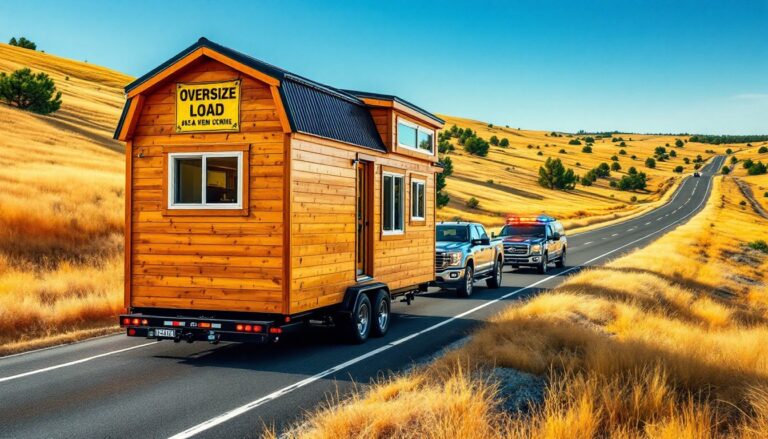
- Transport costs: $1–$3 per mile for professional towing: a 500-mile move can cost $1,500–$2,500.
- Site prep: Electrical hookup, water line, septic or sewer connection can run $2,000–$10,000 depending on local codes and distance from utilities.
- Permits and inspections: Even if the home itself is pre-owned, your jurisdiction may require permits to place it. Budget $500–$2,000.
- Insurance: Tiny home insurance (often structured as RV or personal property coverage) runs $600–$1,200/year. Get quotes before you buy.
Some renovation inspiration can help if you’re planning cosmetic updates post-purchase, but remember that structural or systems work should be priced into your offer, not treated as an afterthought.
Conclusion
Buying a used tiny home rewards patience and scrutiny. The right unit, structurally sound, honestly priced, with clean title and working systems, can deliver years of affordable, flexible living. The wrong one becomes a money pit on wheels. Bring a flashlight, a moisture meter, and a healthy skepticism to every showing, and don’t let lifestyle marketing override the basics: Does the roof leak? Do the wheels roll? Can you legally park it where you plan to live? Answer those first, and the dream of micro living becomes a lot more practical.