Table of Contents
ToggleThe studio tiny home represents a radical shift in how people approach housing: smaller footprint, bigger freedom. These compact dwellings blend minimalist design with clever spatial planning, fitting an entire life into 400 square feet or less. They’re not just scaled-down houses, they’re intentionally designed spaces that challenge the assumption that more square footage equals better living. Whether you’re chasing financial independence, seeking a lower-maintenance lifestyle, or simply drawn to the idea of owning a home without decades of mortgage payments, the studio tiny home offers a practical alternative that’s gained serious traction in 2026’s housing landscape.
Key Takeaways
- A studio tiny home typically ranges from 120 to 400 square feet with open-plan living and costs $20,000 to $70,000 to build, offering a practical alternative to conventional housing for those seeking financial independence and lower maintenance.
- Vertical space design, including lofted sleeping areas and floor-to-ceiling storage, is essential for maximizing functionality in a studio tiny home’s compact footprint.
- Studio tiny home financing requires creative solutions like RV loans, personal loans, or cash purchases, since most traditional lenders won’t issue mortgages for dwellings under 400 square feet.
- Zoning regulations are the primary legal challenge—many municipalities have minimum square footage requirements that prohibit studio tiny homes, making local code research critical before purchasing land or materials.
- Multi-functional furniture such as fold-down tables, sofa beds, and built-in storage with wall-hung fixtures transforms limited space into flexible, livable areas without compromising daily comfort.
- Specialty insurance for studio tiny homes ranges from $600–$1,200 annually and is harder to obtain than standard homeowners policies, requiring providers experienced with compact or trailer-based dwellings.
What Is a Studio Tiny Home?
A studio tiny home is a single-room dwelling typically ranging from 120 to 400 square feet, with no separate bedroom. Think of it as an efficiency apartment that you own, often built on a foundation or trailer.
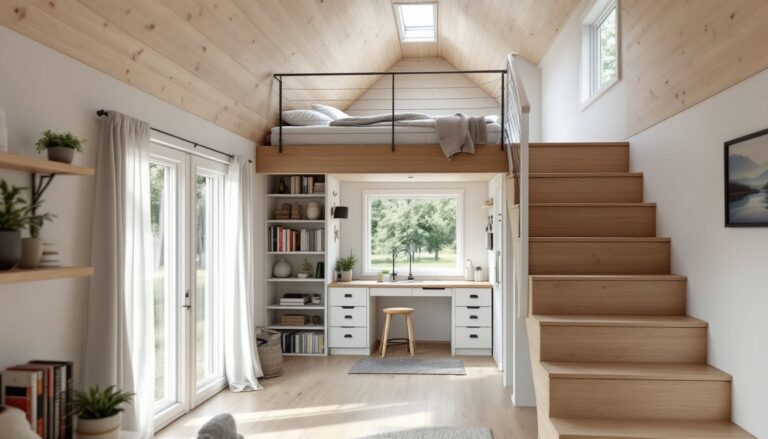
The defining feature is open-plan living: sleeping, cooking, and lounging happen in one continuous space, with only the bathroom enclosed. Most designs incorporate a lofted sleeping area accessible by ladder or compact stairs, which frees up floor space below for living functions.
Construction methods vary. Some builders use standard 2×4 or 2×6 framing on a steel trailer chassis (for mobility), while others pour a concrete slab and frame a permanent structure. Regardless of foundation type, studio tiny homes prioritize vertical space and multi-use zones.
They differ from traditional tiny homes with separate sleeping lofts or murphy bed systems in that the studio layout treats the entire interior as one flexible room. This makes them simpler to build, easier to heat and cool, and more adaptable to individual needs.
Why Choose a Studio Tiny Home Over Traditional Housing
Cost is the most obvious draw. A professionally built studio tiny home averages $30,000 to $70,000 depending on finishes and whether it’s on wheels or a permanent foundation. DIY builds can come in under $20,000 if you source reclaimed materials and do your own framing and finishing work. Compare that to the median home price in most U.S. markets, and the financial case is clear.
Maintenance and utilities shrink proportionally. Heating a 300-square-foot space costs a fraction of a 1,500-square-foot house. One mini-split HVAC unit (typically 9,000 to 12,000 BTU) handles climate control year-round in most climates. Cleaning takes minutes, not hours.
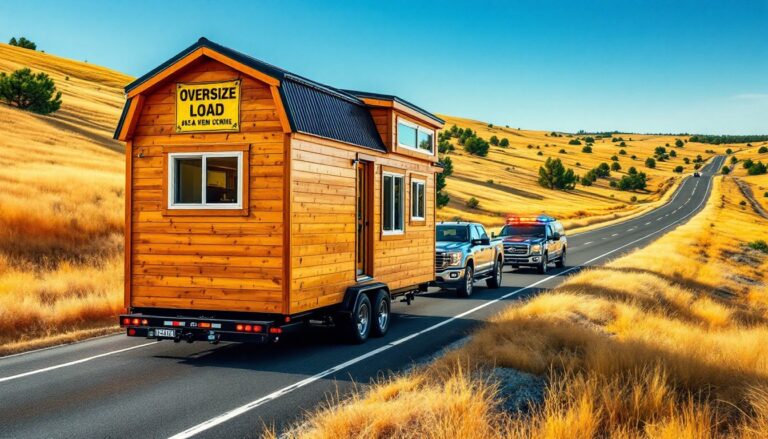
Mobility is another advantage if you build on a trailer. A studio tiny home on a dual-axle trailer rated for 10,000+ pounds can be towed with a heavy-duty truck, letting you relocate for work, family, or preference without selling property.
Environmental impact is lower by default. Less material to build, less energy to operate, and less waste generated. Many owners integrate solar panels and rainwater systems to further reduce their footprint, though these additions require upfront investment and maintenance knowledge.
The trade-off? You give up storage, privacy, and the ability to host overnight guests comfortably. It’s a deliberate choice that works best for solo dwellers or couples willing to embrace radical simplicity.
Design Essentials for Maximizing Your Studio Tiny Home Layout
Vertical space is your best friend. A loft sleeping area with 3 to 4 feet of clearance (enough to sit up in bed) reclaims floor area for daily living. Build the loft over the bathroom or kitchen zone to maximize usable space below.
Window placement matters more than in conventional homes. Position windows on opposing walls to create cross-ventilation and make the space feel larger. Transom windows above eye level bring in light without sacrificing wall space for storage or furniture.
Flooring should be durable and easy to clean. Luxury vinyl plank (LVP) offers the look of wood with better moisture resistance and lower cost than hardwood. It installs over most subfloors and handles the flex of a trailer-based build better than tile.
Kitchen layouts in studio tiny homes typically run along one wall in a galley configuration. Use a two-burner cooktop instead of a full range, a 24-inch refrigerator, and an undermount or single-basin sink to save counter space. Open shelving above the counter keeps dishes accessible and visually expands the area.
The bathroom is usually the only enclosed room. A corner shower (30×30 inches or 32×32 inches) with a neo-angle door, wall-hung toilet, and pedestal or floating vanity keeps the footprint tight. Use a ventilation fan rated for continuous operation to manage humidity in such a small space.
Smart Storage Solutions and Multi-Functional Furniture
Built-in storage is non-negotiable. Frame walls with extra depth (2×6 studs instead of 2×4) to add recessed shelving between studs. Install floor-to-ceiling cabinets wherever possible, wasted vertical space is wasted opportunity.
Under-stair storage is a goldmine if you use stairs instead of a ladder to access the loft. Each step can be a drawer, and the space beneath the staircase can house a pantry, closet, or even a small home office nook.
Furniture should earn its footprint. A fold-down table mounted to the wall serves as dining surface, desk, and prep counter. A sofa bed or futon provides seating by day and sleeping space for guests. Skip bulky pieces, opt for nesting tables, wall-mounted drop-leaf desks, and ottomans with hidden storage.
Many tiny home dwellers customize modular shelving systems that adapt as needs change. Think less about permanent furniture and more about flexible components that stack, fold, or slide out of view.
Budgeting and Financing Your Studio Tiny Home
Material costs vary by region and finish level, but here’s a rough breakdown for a 300-square-foot DIY build:
- Trailer or foundation: $4,000–$8,000 (trailer) or $2,000–$5,000 (slab or piers)
- Framing and sheathing: $3,000–$6,000 (lumber, OSB, fasteners)
- Roofing: $800–$2,000 (metal or architectural shingles)
- Windows and exterior door: $1,200–$3,000
- Insulation: $600–$1,500 (spray foam, rigid foam, or batt)
- Electrical and plumbing rough-in: $1,500–$4,000 (including materials and DIY labor)
- Interior finishes: $2,500–$6,000 (drywall or planking, flooring, paint)
- Kitchen and bath fixtures: $2,000–$5,000 (sink, toilet, shower, appliances)
- HVAC: $800–$2,500 (mini-split or electric heater)
Total DIY cost: $18,400 to $43,000, assuming you provide labor. Hiring out framing, electrical, and plumbing can double that figure.
Financing a tiny home is trickier than a conventional mortgage. Most lenders won’t issue a mortgage for a dwelling under 400 square feet or one on a trailer. Options include:
- Personal loans: Higher interest rates (8–15%), shorter terms (3–7 years), but fewer restrictions.
- RV loans: If your tiny home is certified by the Recreational Vehicle Industry Association (RVIA), some lenders treat it as an RV. Rates are competitive (5–9%), and terms run 10–15 years.
- Home equity line of credit (HELOC): If you own other property, borrow against equity at lower rates.
- Cash: Many builders save and pay outright to avoid interest and loan requirements.
Budget for land or parking fees. Buying a rural lot can cost $5,000 to $50,000+, depending on location and utilities. Renting a pad in a tiny home community or RV park runs $300–$800/month in most areas.
Zoning, Permits, and Legal Considerations
Zoning is the biggest hurdle. Many municipalities have minimum square footage requirements (often 600–1,000 square feet) that disqualify studio tiny homes. Some cities have created tiny home-friendly ordinances or accessory dwelling unit (ADU) codes, but it’s inconsistent.
Check your local zoning before you buy materials. Call the planning or building department and ask:
- What’s the minimum dwelling size for a primary residence?
- Are ADUs allowed, and what are size limits?
- Can you place a dwelling on wheels on your property?
- Are RVs permitted as permanent residences?
Permits depend on whether your tiny home is on a foundation or trailer. A foundation-based build typically requires the same permits as a conventional house: building permit, electrical permit, plumbing permit, and possibly mechanical (HVAC) permit. Inspections happen at rough-in and final stages.
Trailer-based tiny homes exist in a gray area. If classified as an RV, they may bypass building codes but face restrictions on where they can park long-term. If classified as a permanent dwelling, they must meet International Residential Code (IRC) Appendix Q (if your jurisdiction has adopted it), which sets standards for tiny houses.
Appendix Q specifies:
- Minimum ceiling height of 6 feet 8 inches in most areas (lofts can be lower)
- Loft access via ladder, stairs, or ship’s ladder
- Egress windows in sleeping areas
- Smoke and CO detectors
Electrical work must meet National Electrical Code (NEC) standards regardless of size. That means proper grounding, GFCI outlets near water sources, and correct wire gauge for circuit loads. Hire a licensed electrician or get your work inspected if you DIY.
Septic and water hookups require permits in most areas. If you’re off-grid, composting toilets and graywater systems are legal in some jurisdictions but prohibited in others. Research local health department rules.
Insurance is harder to get. Standard homeowners policies often exclude homes under 400 square feet or on trailers. Look for specialty tiny home insurance providers or RV insurance if your build qualifies. Coverage typically runs $600–$1,200/year.
Some builders work with design-forward tiny home communities that handle zoning compliance collectively, simplifying the legal process. It’s worth exploring if you’re flexible on location.
Conclusion
A studio tiny home isn’t a compromise, it’s a deliberate trade of square footage for freedom, simplicity, and financial flexibility. The design challenges are real, but so are the rewards: lower costs, minimal upkeep, and a lifestyle that prioritizes experiences over accumulation. Do your assignments on local codes, budget realistically for both build and land, and don’t skip the unglamorous prep work that makes a small space livable long-term.