Table of Contents
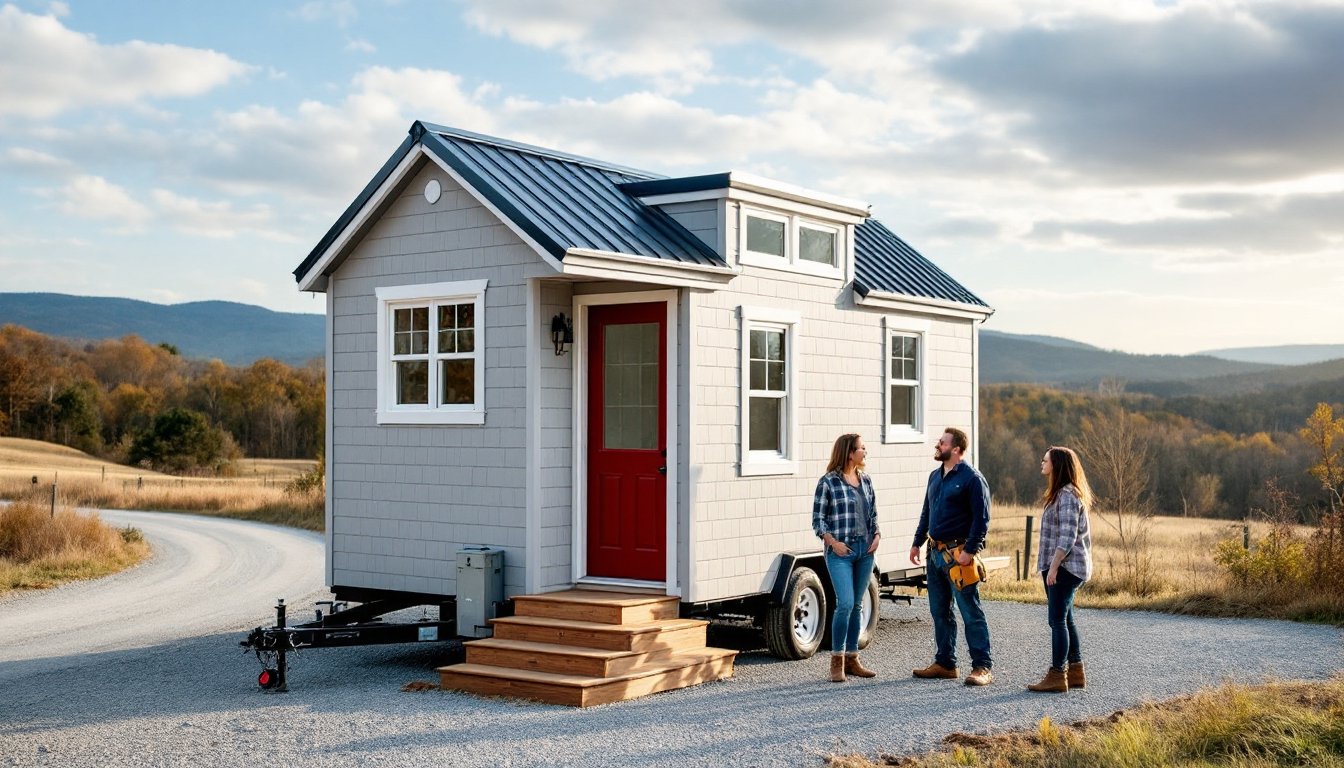
ToggleNorth Carolina’s become a magnet for tiny home enthusiasts, and for good reason. The state offers a blend of affordable land, progressive building codes in select counties, and a lifestyle that suits minimalists and outdoor lovers alike. If you’re considering a tiny home in NC, the first major decision is choosing the right builder. Unlike standard residential construction, tiny home builders need expertise in weight distribution, road-worthiness (for RVIA-certified homes), and maximizing every square inch without sacrificing livability. This guide walks through everything you need to know: from top builders and cost breakdowns to zoning realities and what red flags to watch for during the selection process.
Key Takeaways
- North Carolina’s temperate climate, affordable land ($3,000–$25,000 per acre depending on region), and lack of statewide tiny home bans make it an ideal destination for tiny home builders and enthusiasts.
- Verify any tiny home builder’s general contractor license, liability insurance ($1 million minimum), and trailer specifications (dual 3,500–5,200-lb axles, welded steel frames) before signing contracts.
- Turnkey tiny homes in North Carolina cost $55,000–$150,000; secure financing through RV loans (for RVIA-certified homes), personal loans, home equity loans, or builder financing options.
- Zoning laws vary dramatically by county—check with your county’s planning department to confirm whether foundation-based ADUs or tiny homes on wheels are allowed as primary residences.
- Demand a detailed contract with milestone-based payments (10% deposit through final walkthrough), specific material grades, warranty terms, and a change order process to protect your investment.
- Visit completed builds and inspect craftsmanship details like square corners, consistent caulking, and solid loft construction—poor-quality work signals undersized lumber or inadequate joinery.
Why North Carolina Is a Top Destination for Tiny Home Living
North Carolina sits in a sweet spot for tiny home adoption. The climate’s temperate enough that extreme insulation (common in northern builds) isn’t always necessary, cutting material costs and simplifying HVAC. You’re also dealing with less freeze-thaw damage on trailer frames and exterior finishes compared to colder states.
Land prices vary widely. In the mountains near Asheville, expect $3,000–$8,000 per acre for rural parcels, while piedmont counties like Chatham or Orange run $10,000–$25,000 per acre closer to metro areas. Coastal lots jump higher, but the trade-off is proximity to beaches and marshlands. Unlike some states, North Carolina doesn’t have a blanket ban on tiny homes, enforcement happens at the county level, which means pockets of tiny-home-friendly jurisdictions exist.
Culturally, the state’s got an active DIY and homesteading community, so you’ll find support networks, tiny home festivals, and builder co-ops. The Research Triangle and Asheville areas have particularly strong tiny home networks. Just know that what flies in progressive counties like Buncombe won’t necessarily work in more conservative rural areas.
Top Tiny Home Builders in North Carolina
North Carolina hosts a mix of local craftspeople and regional companies offering both custom and prefab builds. Here are builders with established track records:
Wind River Tiny Homes (Chattanooga, TN, serves NC): Known for RVIA-certified models with welded steel frames. They handle builds from 240 to 340 square feet, featuring SIPs (structural insulated panels) for better R-values. Expect $75,000–$125,000 turnkey.
Tiny House Building Company (Asheville, NC): Custom builds only, no cookie-cutter plans. They specialize in infill lot construction and foundation-based tiny homes (not trailers), which sidesteps some zoning issues. Budget $90,000–$150,000 depending on finishes.
Modern Tiny Living (Columbus, OH, ships to NC): Prefab specialist with transparent pricing online. Their models use LP SmartSide lap siding (more durable than T1-11 in humid climates) and come pre-wired for 30- or 50-amp RV hookups. Lead times run 6–9 months, cost starts around $65,000 for shells.
Carolina Tiny Homes (Charlotte area): Focuses on ADU (accessory dwelling unit) builds that meet IRC Appendix Q standards, critical if you want to place a tiny home on an existing residential lot legally. Builds run $85,000–$140,000.
Always ask for references and check whether the builder is licensed. In NC, anyone constructing a dwelling over $30,000 in value needs a general contractor’s license.
Custom Builders vs. Prefab Tiny Home Companies
Custom builders give you control over every joist and light fixture, but timelines stretch 9–18 months and costs creep up with change orders. You’ll work directly with the builder (or act as owner-builder if you’re licensed), selecting appliances, lumber grades, and finishes. Expect to be involved in decisions weekly.
Prefab companies streamline the process with set floor plans and material packages. Lead times average 4–8 months, and pricing is more predictable since specs are locked in. The trade-off? Limited customization, you might get three countertop choices instead of unlimited options. Prefab models often prioritize road-worthiness (RVIA/NOAH certification), which matters if you plan to move the home. Custom builds on permanent foundations won’t have those certifications but can use standard residential materials and techniques.
What to Look for When Choosing a Tiny Home Builder
Start with licensing and insurance. In North Carolina, verify the builder holds a current general contractor license through the NC Licensing Board for General Contractors. Request proof of liability insurance, minimum $1 million coverage is standard. If they can’t produce it, walk away.
Ask about trailer specs if you’re going mobile. A proper tiny home trailer uses dual 3,500-lb or 5,200-lb axles, not a utility trailer frame. The tongue weight should be 10–15% of total weight for safe towing. Welded steel I-beam construction beats bolted frames for longevity.
Material sourcing matters in a humid climate. Builders should use pressure-treated lumber for floor framing, closed-cell spray foam insulation (not fiberglass, which holds moisture), and Tyvek or similar weather barriers. Vinyl or LP SmartSide siding outperforms wood in coastal humidity.
Get a detailed contract with a payment schedule tied to milestones (e.g., 10% deposit, 30% at framing, 30% at drywall, 30% at final walkthrough). Avoid builders demanding 50% upfront, that’s a red flag. The contract should specify:
- Completion timeline with penalties for delays
- Material brands and grades (not just “quality materials”)
- Warranty terms (1 year minimum on labor, separate warranties on appliances)
- Change order process with cost caps
Visit completed builds if possible. Check for signs of craftsmanship: square corners, consistent caulk lines, flush door frames, and no gaps around windows. Climbing into the loft should feel solid, not bouncy, poorly sistered joists or undersized lumber will flex.
Finally, confirm whether the builder handles permitting. Some will pull permits as part of the contract: others leave it to you. If you’re doing it yourself, budget extra time, county building departments can take 4–12 weeks to review plans.
Costs and Financing Options for Tiny Homes in NC
Turnkey tiny homes in North Carolina run $55,000–$150,000 depending on size, finishes, and whether it’s on wheels or a permanent foundation. Here’s a rough breakdown for a 280-square-foot RVIA-certified build:
- Trailer: $5,000–$7,500
- Framing and sheathing: $8,000–$12,000
- Windows and doors: $3,000–$6,000
- Electrical and plumbing rough-in: $4,000–$7,000
- Insulation and drywall: $5,000–$8,000
- Siding and roofing: $6,000–$10,000
- Cabinetry and finishes: $8,000–$15,000
- Appliances: $3,000–$6,000
- Labor: $15,000–$30,000
DIY builds can cut labor costs, but realistically budget 12–18 months if you’re working weekends. Permits add $500–$2,000, and site prep (gravel pad, utility hookups) runs $2,000–$8,000.
Financing a tiny home is trickier than a traditional mortgage. Many lenders won’t underwrite homes under 400 square feet or on wheels (they’re classified as RVs, not real property). Options include:
Personal loans: Unsecured loans from banks or credit unions at 6–12% APR for 5–7 years. You’ll need good credit (680+).
RV loans: If the home is RVIA-certified, RV lenders offer 10–15 year terms at 5–9% APR. Down payments run 10–20%.
Home equity loans: If you own land or another property, borrow against equity at 4–7% APR. This works well for foundation-based builds.
Builder financing: Some companies partner with lenders or offer in-house financing. Read the fine print, rates can hit 10–15%.
Cost estimation tools on platforms like HomeAdvisor can help budget for site prep and utility connections, though tiny home-specific pricing isn’t always included. Factor in regional material costs, lumber prices in western NC can run 10–15% higher than piedmont suppliers due to transportation.
Zoning Laws and Regulations for Tiny Homes in North Carolina
Zoning is the wild card. North Carolina has no statewide tiny home regulations, it’s a county-by-county patchwork. What’s legal in Buncombe County might be prohibited 20 miles away.
Foundation-based tiny homes (permanently affixed to land) are treated as ADUs in many jurisdictions. If the county has adopted IRC Appendix Q (which sets standards for dwellings under 400 square feet), you can build legally on residentially zoned land. Requirements typically include:
- Minimum square footage: Usually 120–150 square feet
- Ceiling height: At least 6’8″ in living areas, 6’4″ in lofts
- Egress windows: One per sleeping area, minimum 5.7 square feet of openable area
- Smoke/CO detectors: Hardwired, per IRC code
Tiny homes on wheels (THOWs) face stricter rules. Many counties classify them as RVs, which can’t be permanent residences in residential zones. Workarounds include:
- RV parks or campgrounds: Legal, but often limited to 180-day stays per year
- Agricultural land: Some counties allow farmworker housing or caretaker dwellings, check A-1 or RA zoning
- Tiny home communities: Privately owned parks with shared utilities, increasingly common around Asheville and Durham
Always check with your county’s planning and inspections department before buying land or signing a builder contract. Ask specifically:
- Can I place a tiny home on wheels as a primary residence?
- Does the county recognize RVIA or NOAH certifications?
- Are there minimum lot sizes or setback requirements?
Some counties (like Orange and Durham) are more progressive: others enforce strict single-family zoning. If you’re pushing boundaries, hire a local land-use attorney, $200–$400/hour but worth it to avoid a $60,000 mistake.
Utility connections also vary. If you’re off-grid, confirm whether composting toilets and graywater systems are allowed. On-grid builds need electrical inspections per NEC standards and septic permits if municipal sewer isn’t available. Septic systems alone run $3,000–$10,000 depending on soil percolation tests.
Conclusion
Choosing a tiny home builder in North Carolina requires assignments, verify licenses, inspect past work, and lock in detailed contracts. Pair that with a realistic budget and a clear understanding of local zoning, and you’ll avoid the pitfalls that derail projects. The state’s mix of affordable land and growing acceptance makes it fertile ground for tiny living, but success hinges on doing the legwork upfront. Start by visiting completed builds and talking to owners. Their firsthand experience, good and bad, will tell you more than any brochure.