Table of Contents
ToggleMinnesota’s tiny home movement is growing fast, and for good reason. Lower utilities, minimal maintenance, and the freedom to relocate appeal to retirees, young professionals, and outdoor enthusiasts alike. But finding a builder who understands cold-climate construction, local zoning quirks, and the importance of proper insulation isn’t as simple as scrolling through Instagram feeds. This guide covers the top tiny home builders in Minnesota, what to look for in a contractor, real costs, and the zoning regulations you’ll need to navigate before breaking ground.
Key Takeaways
- Tiny home builders Minnesota focus on cold-climate construction with R-21 walls, R-49 roof insulation, and frost-protected foundations rated for sub-zero temperatures and heavy snow loads.
- Custom builders like Incredible Tiny Homes and Wind River offer 6–12 month lead times with full customization, while prefab companies like Minimaliste and Tumbleweed deliver faster but with less layout flexibility.
- Turnkey tiny homes in Minnesota range from $50,000–$150,000, but financing requires personal loans (6–10% interest) since tiny homes on wheels are typically classified as RV personal property rather than mortgageable real estate.
- Minnesota zoning is hyperlocal with no statewide tiny home law; Minneapolis and St. Paul allow 1,000 sq ft ADUs on permanent foundations, while rural townships enforce 600–750 sq ft minimums with widely varying enforcement.
- Reputable tiny home builders provide trailer weight certifications, warranty coverage (typically 1 year for custom work), and handle permits and inspections to ensure legal financing, insurance, and future resale of your home.
Why Minnesota Is a Great State for Tiny Home Living
Minnesota’s combination of affordable rural land, strong DIY culture, and four-season outdoor recreation makes it a natural fit for tiny home living. Heating costs drop significantly in a well-insulated 200–400 sq ft space compared to traditional homes, especially when builders use spray foam insulation and triple-pane windows rated for sub-zero temps.
The state’s building codes are locally enforced, meaning some townships and rural counties offer more flexibility than metro areas. Many tiny homeowners park on private land outside city limits, avoiding restrictive zoning altogether. Minnesota’s Accessory Dwelling Unit (ADU) laws have also loosened in recent years, allowing tiny homes on wheels or permanent foundations as secondary structures in some municipalities.
Winter durability is critical. Builders here routinely spec R-21 walls and R-49 roof insulation, PEX plumbing with heat tape, and propane or electric heating systems designed for extreme cold. If a builder isn’t discussing snow load ratings and frost depth footings, they’re not Minnesota-ready.
Best Tiny Home Builders in Minnesota
Custom Tiny Home Builders
Custom builders design from scratch, accommodating specific layouts, off-grid systems, and cold-climate upgrades. Expect longer lead times, 6 to 12 months, but you’ll get a home tailored to your needs.
Incredible Tiny Homes (Spring Park, MN) builds on triple-axle trailers rated for highway towing and Minnesota winters. They’re known for SIPs (Structural Insulated Panels) that speed construction and boost thermal performance. Pricing starts around $65,000 for basic shells: turnkey models run $95,000–$140,000 depending on finishes and off-grid packages.
New Frontier Tiny Homes (Nashville, TN, but ships to MN) offers heavy customization and will work with owner-builders on partial builds. They use Tyvek wrapping, LP SmartSide siding, and metal roofing rated for snow. Their Minnesota clients often add electric radiant floor heating and composting toilets.
Wind River Tiny Homes (Chattanooga, TN, with MN delivery) focuses on larger models, up to 340 sq ft on trailers, with full-size appliances. Their Silhouette model includes a ground-floor bedroom, rare in tiny homes. Builders like these often coordinate with local electricians and plumbers for final hookups, since trades licensing varies by state.
Prefab and Modular Tiny Home Companies
Prefab and modular builders ship partially or fully assembled homes, cutting on-site labor and weather delays. They’re faster but offer less layout flexibility.
Minimaliste (Quebec, Canada, delivers to MN) specializes in four-season tiny homes with R-40 insulation and heated freshwater tanks. Their Scandinavian-inspired interiors use birch plywood and cork flooring. Prices range $85,000–$150,000 delivered. Customs and cross-border shipping add time, so plan for 3–5 months.
Tumbleweed Tiny House Company offers DIY shell kits and plans, popular with Minnesota owner-builders. Their Cypress model ships as a framed shell on a trailer: you finish electrical, plumbing, and interiors. Kits start at $20,000, but total costs hit $50,000–$70,000 after materials and labor. Good choice if you’re handy and want to avoid labor markups.
84 Lumber has entered the tiny home market with modular park models and cabins. These aren’t road-legal but can be crane-set onto permanent foundations. Pricing is competitive, $40,000–$80,000, but models aren’t always optimized for Minnesota’s climate without aftermarket insulation upgrades.
What to Look for When Choosing a Tiny Home Builder
Start with climate experience. If a builder’s portfolio shows homes in Arizona and Florida, ask specific questions about insulation values, vapor barriers, and frost-protected shallow foundations. Minnesota requires 42-inch frost footings for permanent builds, and some builders aren’t familiar with northern codes.
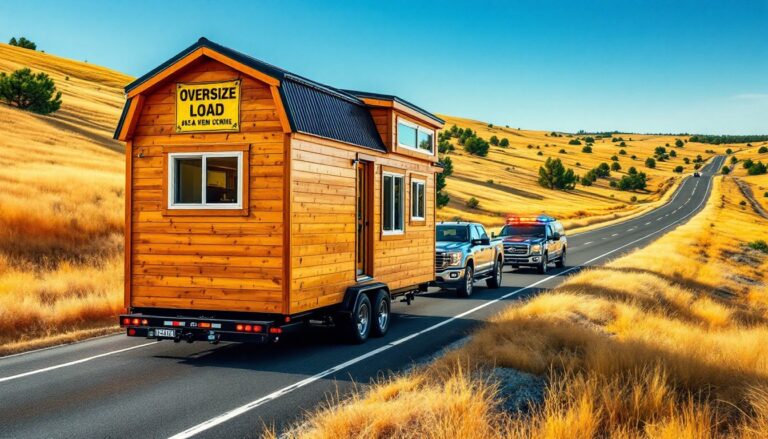
Check trailer certifications if you’re going mobile. A proper tiny home trailer should have a VIN, title, and axles rated for the finished weight. Overloading a 10,000-lb trailer with a 14,000-lb home is unsafe and illegal. Reputable builders provide a weight breakdown before construction.
Ask about warranty coverage. Custom builders often offer 1-year workmanship warranties: prefab companies may cover structure for 5 years but exclude owner-installed systems. Get it in writing.
Request references and visit completed homes if possible. Pay attention to finish details, caulking around windows, flashing at the roofline, and underlayment beneath siding. Poor water management is the top cause of tiny home failures, especially in freeze-thaw climates.
Finally, confirm who handles permits and inspections. Some builders pull permits as part of the contract: others expect you to coordinate with local building departments. If you’re placing the home on a foundation, you’ll likely need an electrical inspection, plumbing inspection, and possibly a septic permit. Many home service providers can assist with connecting licensed trades for final hookups.
Costs and Financing Options for Tiny Homes in Minnesota
Turnkey tiny homes in Minnesota typically cost $50,000–$150,000, depending on size, finishes, and systems. DIY builds can drop to $25,000–$60,000 if you’re doing your own framing, electrical, and plumbing, but most owner-builders underestimate time and material waste.
Breakdown for a 280 sq ft custom tiny home:
- Trailer (triple-axle, certified): $6,000–$9,000
- Framing lumber (2×4 studs, 2×6 floor joists, engineered beams): $4,000–$6,000
- Insulation (spray foam or batts): $2,500–$5,000
- Siding and roofing (LP SmartSide, metal roof): $3,500–$5,500
- Windows and doors (Low-E, triple-pane): $2,000–$4,000
- Electrical and plumbing (DIY or licensed trades): $3,000–$8,000
- Interior finishes (flooring, cabinetry, paint): $5,000–$12,000
- Appliances (mini-split HVAC, on-demand water heater): $3,000–$6,000
Financing is trickier than traditional mortgages. Most lenders classify tiny homes on wheels as RVs or personal property, requiring personal loans or RV loans with higher interest rates (6–10%) and shorter terms. Lightstream, Best Egg, and credit unions like Affinity Plus (MN-based) offer personal loans up to $100,000.
If the tiny home is on a permanent foundation and meets IRC codes, some lenders will approve a construction loan or small mortgage. Expect 20% down and proof the home meets local building standards. Consulting contractor cost guides can help estimate realistic budgets before approaching lenders.
Minnesota Zoning Laws and Regulations for Tiny Homes
Minnesota has no statewide tiny home law, so zoning is hyperlocal. Minneapolis and St. Paul allow ADUs up to 1,000 sq ft on single-family lots, but they must be on permanent foundations and meet IRC building codes. Tiny homes on wheels usually don’t qualify unless classified as temporary structures.
Outstate and rural townships often have minimum square footage rules, 600–750 sq ft is common, but enforcement varies. Some counties allow tiny homes as recreational vehicles if parked on agricultural or recreational land, but living in them full-time may violate occupancy codes. Always call the local zoning administrator before purchasing land or a home.
If placing a tiny home on a foundation, you’ll need:
- Building permit (includes plan review and inspections)
- Electrical permit (NEC-compliant wiring, GFCI outlets in wet areas)
- Plumbing permit (pressure testing, proper venting)
- Septic permit (if not connecting to municipal sewer)
Inspections are typically staged: footing, framing, rough-in (electrical/plumbing), insulation, and final. Some owner-builders skip permits to save money, but unpermitted structures can’t be financed, insured, or legally sold.
For tiny homes on wheels, you may avoid building permits entirely if classified as an RV, but you’ll still need a legal place to park. Private land is your best bet, some landowners lease tiny home sites for $200–$500/month, often including utilities. RV parks occasionally allow long-term tiny home parking, but rules vary.
If considering off-grid systems, solar panels, composting toilets, rainwater collection, check county health department rules. Some jurisdictions require grid connection even if you don’t use it. Understanding advanced building techniques helps navigate code conversations with inspectors who may be unfamiliar with tiny home construction.