Table of Contents
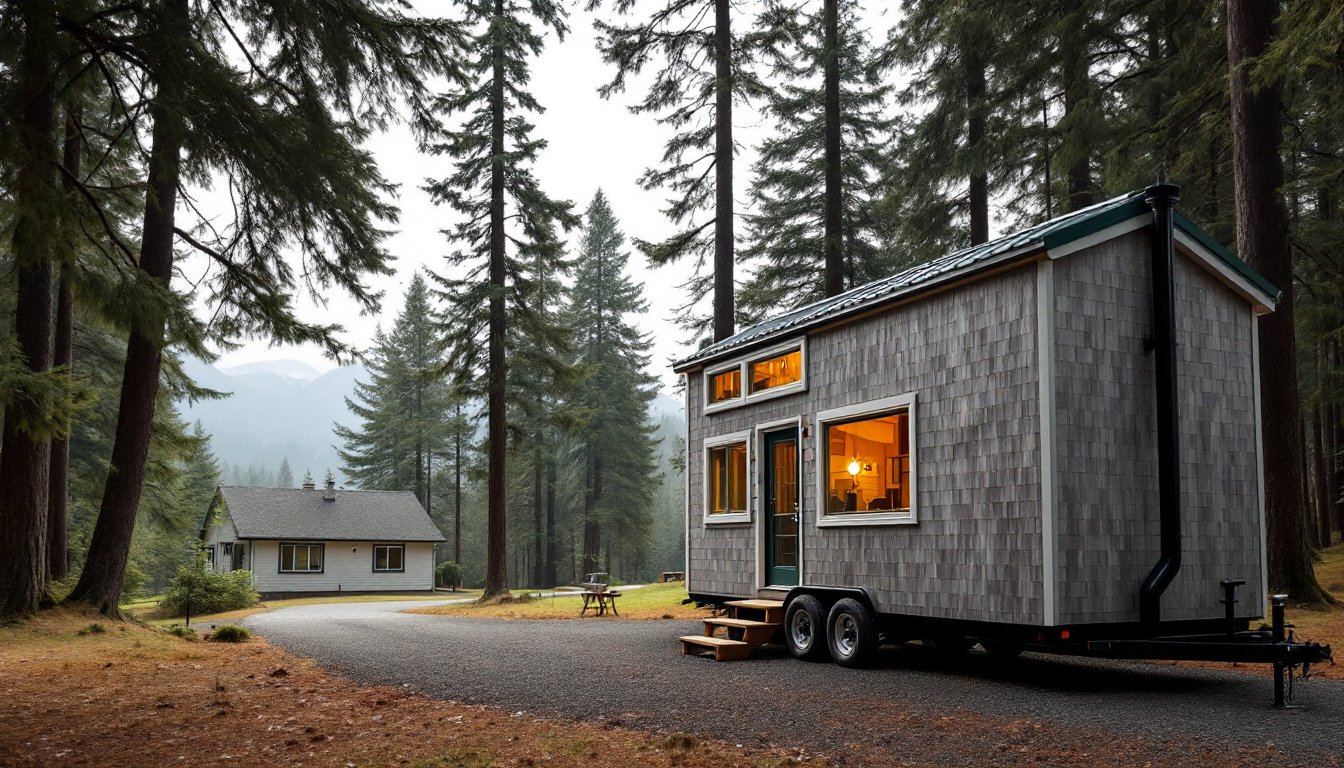
ToggleOregon’s combination of progressive land-use policies, vibrant DIY culture, and stunning natural landscapes makes it one of the most tiny-home-friendly states in the country. But before hauling a 200-square-foot structure onto a plot in Portland or parking a custom-built trailer in Bend, it’s essential to understand the regulations, costs, and logistics that come with downsizing. This guide walks through the practicalities, zoning codes, financing options, placement strategies, and the real differences between buying turnkey and swinging a hammer yourself. Whether eyeing an ADU in Eugene or a THOW (tiny house on wheels) in the Willamette Valley, the devil’s in the details.
Key Takeaways
- Oregon’s progressive zoning laws, particularly ORS 197.312, make the state exceptionally friendly for tiny home Oregon living compared to most states, with ADUs permitted in most residential zones.
- Foundation-built tiny homes and THOWs have different regulatory paths—foundation structures follow the International Residential Code, while tiny houses on wheels occupy a gray area between vehicle and dwelling codes depending on certification status.
- Buying turnkey tiny homes from Oregon builders like Tiny Heirloom costs $60,000–$120,000, while DIY builds can come in under $30,000 in materials if you have construction skills and time to navigate permitting.
- Land placement options range from private parcels with utilities ($2,000–$4,000 for electrical extensions) to rural acreage ($20,000–$60,000) with well and septic costs adding $23,000–$50,000 for off-grid systems.
- Financing tiny homes requires RV loans (5–9% interest for certified THOWs), construction loans for foundation builds, or home equity products, as traditional mortgages don’t cover non-foundation structures.
- Proper insurance, egress windows (minimum 5.7 sq ft opening), and code-compliant utilities are non-negotiable safety and legal requirements before occupying any tiny home in Oregon.
Why Oregon Is Perfect for Tiny Home Living
Oregon’s culture aligns naturally with the tiny home movement. The state has a long history of environmental consciousness, and local governments have been quicker than most to update zoning codes that accommodate smaller dwellings. State law (ORS 197.312) explicitly allows ADUs (accessory dwelling units) in most residential zones, and many municipalities have followed with ordinances that permit tiny homes as backyard cottages or standalone units.
The climate is another draw. Western Oregon’s mild, wet winters and dry summers mean less extreme weatherproofing compared to states with harsh freeze-thaw cycles. Eastern Oregon offers affordable land and lower building costs, though utilities and code enforcement can be more variable in rural counties.
Community infrastructure matters, too. Oregon hosts active tiny home advocacy groups, manufacturers, and builders, ranging from custom trailer fabricators in Portland to off-grid consultants in Ashland. According to urban living trends, smaller footprints are gaining traction in cities grappling with housing shortages, and Oregon is no exception. Access to skilled trades, salvage yards, and specialty suppliers (SIPs panels, composting toilets, mini-split HVAC) is easier here than in many neighboring states.
Understanding Oregon’s Tiny Home Laws and Zoning Regulations
Oregon doesn’t have a single statewide “tiny home code.” Regulations vary by county and city, and the type of tiny home, THOW (tiny house on wheels), foundation-built ADU, or park model RV, determines which rules apply.
Foundation-built tiny homes (typically 400–800 sq ft) fall under the International Residential Code (IRC) and must meet the same standards as traditional houses: minimum room sizes (70 sq ft for habitable rooms, 7-foot ceilings), egress windows, and structural load requirements. Many jurisdictions allow ADUs as small as 200 sq ft if they’re classified as accessory structures.
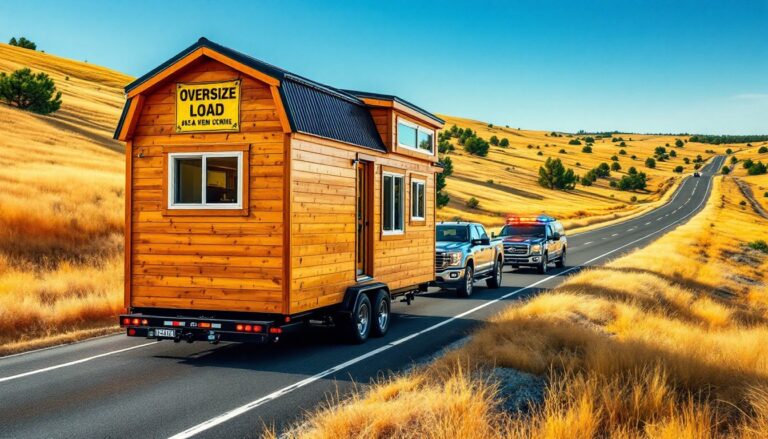
THOWs occupy a gray area. If registered as an RV (ANSI A119.5 or NFPA 1192 certified), they’re subject to vehicle codes and can only be parked where RVs are allowed, RV parks, some campgrounds, or properties zoned for temporary dwellings. If not certified, they may be considered “non-conforming structures” and face restrictions or permitting challenges.
Permits are almost always required for foundation work, electrical, plumbing, and gas. Expect inspections at footing, framing, rough-in, and final stages. If building a THOW, inspections depend on whether the jurisdiction treats it as a vehicle or a dwelling.
Zoning Requirements by City and County
Portland: Allows ADUs citywide in residential zones. No owner-occupancy requirement as of 2020. Minimum lot size varies (typically 3,000–5,000 sq ft), and ADUs can be detached or attached. System development charges (SDCs) were waived for ADUs under 750 sq ft through recent city ordinances, though this policy can shift.
Eugene: Permits ADUs on lots as small as 4,000 sq ft. Setback requirements are generous (5 feet from rear/side property lines). THOWs are allowed on some rural residential parcels if certified as RVs and placed in compliance with county campground rules.
Bend (Deschutes County): Allows ADUs in most single-family zones, but off-grid systems (composting toilets, rainwater collection) require special approval. THOWs are typically restricted to RV parks unless the property is zoned for “temporary dwelling” use during primary home construction.
Rural counties (Josephine, Jackson, Klamath): Code enforcement is lighter, but well and septic permits are strict. Many allow tiny homes on agricultural land if tied to farm use. Always verify with the county planning department before purchasing land.
Buying vs. Building a Tiny Home in Oregon
Buying turnkey means faster occupancy and less risk of code violations. Oregon-based builders like Tiny Heirloom (Portland) and Wildwood Tiny Homes (Central Oregon) offer ANSI-certified THOWs starting around $60,000–$90,000 for basic models (200–250 sq ft). Custom builds with hardwood finishes, off-grid solar, and high-end appliances can exceed $120,000. Foundation ADUs from modular manufacturers range from $80,000–$150,000 depending on size and finish level.
Pros of buying: warranty coverage, faster delivery (8–16 weeks), pre-approved plans that satisfy most inspectors, and inclusion of appliances/fixtures. Cons: limited customization, higher upfront cost, and potential delivery complications if the site isn’t prepped (level pad, utility hookups).
Building from scratch offers control and potential savings, if you have skills and time. A DIY THOW on a new trailer chassis (dual-axle, 20–24 feet, $4,000–$7,000) with salvaged windows, reclaimed siding, and basic finishes can come in under $30,000 in materials. Foundation tiny homes (wood framing, standard 2×4 studs on 16-inch centers, metal roof) run $50–$90 per square foot if owner-built, versus $150–$250/sq ft for a general contractor.
Challenges: permitting delays, inspection failures (common issues include improper flashing, under-sized footings, incorrect rafter spans), and the need for specialized tools (framing nailer, miter saw, circular saw, level). Electrical and plumbing should be contracted unless the builder holds the relevant licenses, Oregon requires licensed electricians for any work connecting to the grid, and plumbers for sewer/septic tie-ins.
Hybrid approach: Purchase shell kits or plans from companies like The Tiny Project or Four Lights Houses, then finish interiors yourself. This saves on labor while ensuring the structure meets code. Plans typically run $500–$1,500: shell kits (framed walls, roof trusses, windows) start around $15,000.
Where to Place Your Tiny Home in Oregon
Private land is the most straightforward option if zoning allows. For ADUs, the lot must have an existing primary dwelling (unless the jurisdiction has waived that rule). Utilities, water, sewer, electric, must be accessible or installed. Extending a 200-amp service panel to a detached ADU 50 feet from the main house typically costs $2,000–$4,000. A new septic lateral or sewer tap runs $1,500–$5,000 depending on distance and soil conditions.
Rural parcels (1–5 acres) are common in eastern Oregon and can be purchased for $20,000–$60,000. Well drilling averages $15–$30 per foot (expect 150–400 feet in most areas), and septic systems (standard gravity or mound systems) cost $8,000–$20,000 installed. Off-grid setups, solar arrays (4–6 kW), battery banks (10–15 kWh), propane for heat/cooking, add $15,000–$30,000 but eliminate monthly utility bills.
Leasing land is an emerging model. Some property owners in the Willamette Valley and Southern Oregon rent space for tiny homes at $300–$600/month, with shared well/septic access. Small space living strategies often highlight these arrangements as affordable entry points, though lease terms and eviction protections vary.
Tiny Home Communities and RV Parks
Dedicated tiny home villages are growing. Caravan – The Tiny House Hotel in Portland offers short-term stays and has plans for permanent resident spaces. Tiny Tranquility in Clackamas County accepts THOWs and provides communal gardens, greywater systems, and shared workshops.
RV parks that welcome THOWs include some KOA locations, Thousand Trails resorts, and independent parks in Coos Bay and Hood River. Monthly rates range from $400–$800, often including water, sewer, electric (30- or 50-amp service), and Wi-Fi. Be sure the THOW is RVIA- or NOAH-certified: many parks won’t accept non-certified units due to insurance requirements.
Caveats: RV parks are not permanent housing solutions in most jurisdictions. Length-of-stay limits (180 days per year) are common. Confirm whether the park allows full-time residency and if mail delivery/vehicle registration at that address is permitted.
Financing Your Oregon Tiny Home Project
Traditional mortgages don’t cover THOWs or non-foundation structures. RV loans are the most common route for certified tiny houses on wheels, terms of 10–15 years, interest rates 5–9%, and down payments of 10–20%. Credit unions like Selco (Eugene) and OnPoint (Portland) offer tiny home–specific loan products.
Personal loans (unsecured) work for smaller builds under $40,000 but carry higher rates (7–12%) and shorter terms (3–7 years). Home equity loans or HELOCs can fund an ADU if there’s equity in an existing property, rates are lower (4–7%), and terms extend to 15–30 years.
Construction loans are necessary for foundation-built tiny homes. These convert to a mortgage after completion. Expect a detailed budget, signed contractor agreements, and draw schedules tied to inspection milestones. Loan-to-value ratios max out around 80%, so a 20% down payment ($16,000 on an $80,000 build) is standard.
Owner financing and seller carry-back arrangements sometimes appear in rural land sales bundled with a tiny home. Decluttering and budgeting guides often emphasize reducing debt before taking on alternative housing loans, as lenders scrutinize debt-to-income ratios closely for non-traditional structures.
Grants and incentives: Oregon doesn’t offer state-level tiny home grants, but some municipalities provide ADU fee waivers or SDC reductions. Energy Trust of Oregon rebates apply to high-efficiency mini-splits, heat pump water heaters, and insulation upgrades, potentially saving $500–$2,000 on a new build.
Safety and insurance note: Insuring a THOW requires specialty RV or mobile dwelling policies. Standard homeowners insurance won’t cover it. Foundation ADUs can often be added to an existing home policy as a detached structure, but confirm coverage limits (typically 10–20% of the main dwelling’s value). Always install smoke detectors, CO detectors, and a fire extinguisher rated for ABC fires. Egress windows (minimum 5.7 sq ft opening, 24-inch height, 20-inch width) are code-required and life-safety critical.