Table of Contents
ToggleTiny home living isn’t just a trend, it’s a practical solution to housing affordability, environmental concerns, and lifestyle simplification. North Carolina has emerged as a hotspot for tiny home communities, thanks to its moderate climate, varied geography from mountains to coast, and a growing number of municipalities adapting zoning codes to accommodate smaller dwellings. Whether someone’s downsizing for retirement, seeking financial freedom, or embracing minimalism, the state offers options from the Blue Ridge foothills to the Outer Banks. This guide covers established communities, regulatory hurdles, cost breakdowns, and what prospective residents need to know before making the move.
Key Takeaways
- Tiny home communities in North Carolina offer an affordable housing solution with annual living costs between $8,000–$18,000, significantly below the state’s median housing cost.
- North Carolina has no statewide tiny home law; zoning rules vary by county and municipality, making location research and confirmation with local planning departments critical before purchasing.
- Tiny homes on foundations must meet the International Residential Code (IRC), while tiny houses on wheels (THOWs) face stricter restrictions and are often classified as RVs in many North Carolina jurisdictions.
- Established communities like Tiny Estates in Elizabeth City and Mountain Tiny House Community near Hendersonville offer different ownership models—from lot ownership to leasing—each with distinct financial and legal implications.
- Financing challenges persist for THOWs and homes under 600 square feet, as most conventional mortgage lenders won’t approve them; foundation-built tiny homes on owned land have better financing prospects.
- Prospective residents should visit communities in person, talk to current residents, and clarify utility costs, HOA fees, insurance requirements, and ownership structure before committing to tiny home communities in North Carolina.
What Are Tiny Home Communities and Why North Carolina?
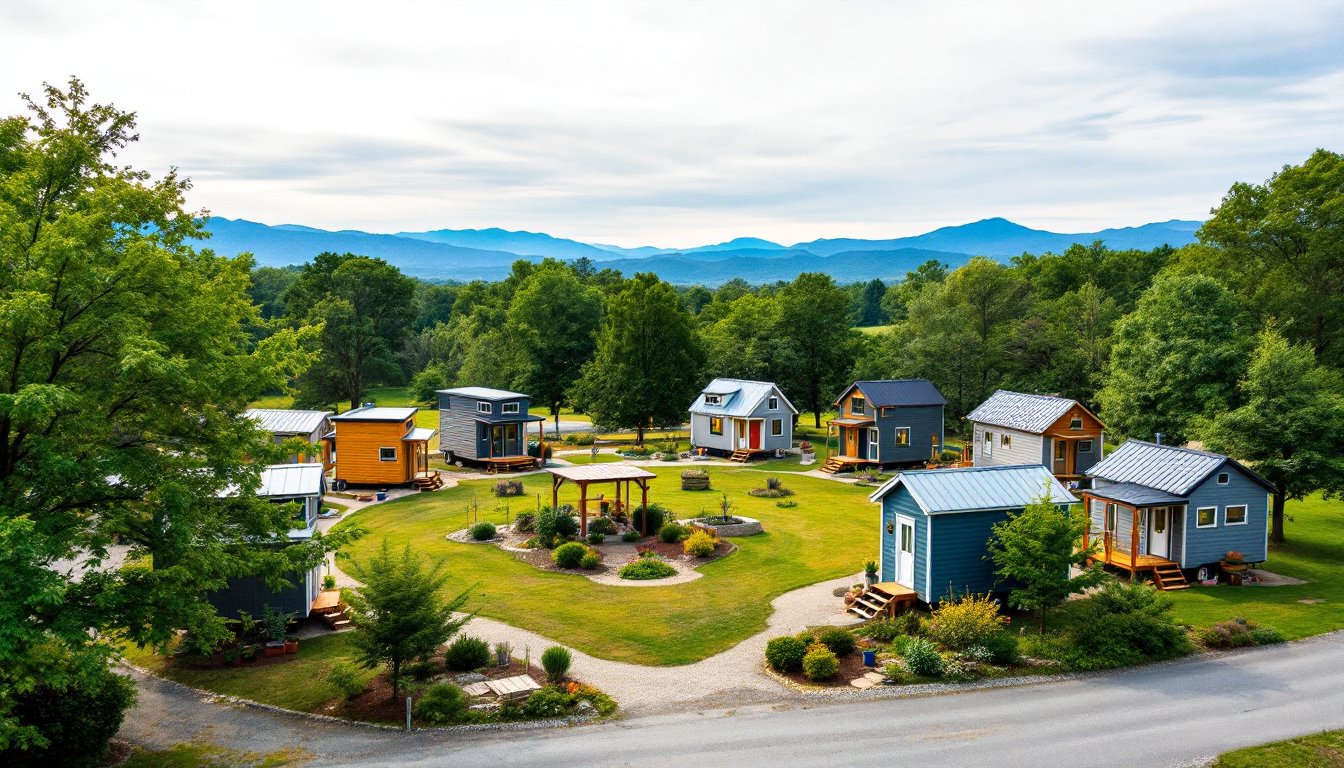
A tiny home community is a planned residential development designed specifically for dwellings typically under 400 square feet. These aren’t RV parks or trailer courts, they’re intentional neighborhoods with shared amenities, community rules, and often deed restrictions or HOA governance. Units may be on wheels (THOW, tiny house on wheels), on permanent foundations, or a mix of both.
North Carolina’s appeal comes down to three factors: climate, cost, and culture. The state avoids the temperature extremes that make tiny living uncomfortable in the upper Midwest or Deep South. Building costs and land prices remain lower than comparable markets in Virginia or Georgia. And culturally, NC has a strong DIY and sustainable living community, Asheville, the Triangle, and parts of the Triad have long embraced alternative housing models.
From a regulatory standpoint, North Carolina is neither the most permissive nor the most restrictive. Some counties and municipalities have updated codes to allow accessory dwelling units (ADUs) or tiny homes as primary residences, while others still classify THOWs as RVs, limiting where they can be parked long-term. This patchwork means location research is critical.
Tiny home communities often include shared spaces like gardens, tool sheds, laundry facilities, and community halls. Some are age-restricted (55+), others welcome families, and a few are entirely off-grid or net-zero energy. Prospective residents should clarify whether they’re buying the land, leasing a pad, or entering a co-op or land trust arrangement, each has different financial and legal implications.
Top Tiny Home Communities in North Carolina
Established Communities in the Triangle and Triad Areas
Tiny Estates in Elizabeth City, just outside the Triangle’s eastern reach, is one of the state’s most established developments. It features tiny homes on permanent foundations, HOA governance, and community amenities including a clubhouse and dog park. Lots are owned, not leased, giving residents more stability and equity. Homes here range from 200 to 400 square feet, with modern utilities and adherence to IRC Appendix Q (the International Residential Code appendix for tiny homes).
Lemon Tree Village in Wilmington (closer to coastal access but often grouped with southeastern communities) offers a mix of THOWs and foundation-built units. It’s pet-friendly, allows custom builds, and provides hookups for water, electric, and sewer. Residents report strong community engagement and regular social events.
In the Greensboro and Winston-Salem area, several private landowners have opened small-scale communities (5–10 units) on agricultural or rural residential land. These are less formal, often without HOAs, and may require prospective residents to bring their own THOW or work with an approved builder. Zoning here is tricky, Guilford and Forsyth counties allow tiny homes as accessory structures in some districts, but not as standalone primary residences everywhere.
Mountain and Coastal Tiny Home Communities
The Asheville region has multiple options, though demand and land costs have risen sharply. Mountain Tiny House Community near Hendersonville caters to long-term and seasonal residents, with a focus on sustainability and off-grid readiness. Homes must meet minimum insulation standards (R-19 walls, R-30 roof) due to winter weather. Many sites have views of the Blue Ridge, and the community encourages solar panels and rainwater catchment.
Further west, Brevard and Waynesville have seen growth in tiny home co-housing projects, where residents share land ownership through an LLC or land trust. These models reduce individual costs but require careful legal setup, work with a real estate attorney familiar with NC land trusts.
On the coast, Tiny Tranquility near New Bern offers waterfront access and is popular with retirees and remote workers. Units must be hurricane-rated and anchored per NC Building Code Chapter 3 (wind load requirements for coastal zones). Homeowners insurance is more expensive here due to flood and storm risk, and many lenders won’t finance THOWs in flood zones without additional mitigation.
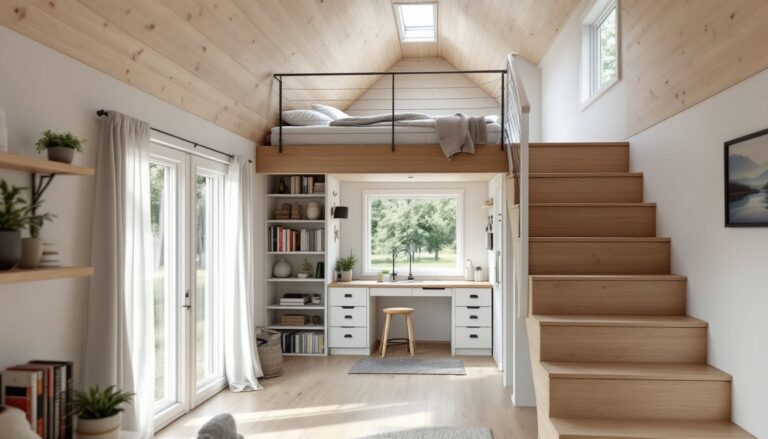
For those interested in small-space design ideas beyond the typical THOW layout, resources like Apartment Therapy showcase multifunctional furniture and storage hacks that translate well to tiny living.
North Carolina Zoning Laws and Regulations for Tiny Homes
North Carolina has no statewide tiny home law. Zoning, building codes, and permitting are handled at the county and municipal level, creating a patchwork of rules.
Tiny homes on foundations must meet the IRC (International Residential Code), including Appendix Q if under 400 square feet. That means habitable rooms need minimum ceiling heights of 6 feet 8 inches, egress windows, proper ventilation, and smoke/CO detectors. Electrical and plumbing work must pass inspection, and most counties require a building permit and certificate of occupancy.
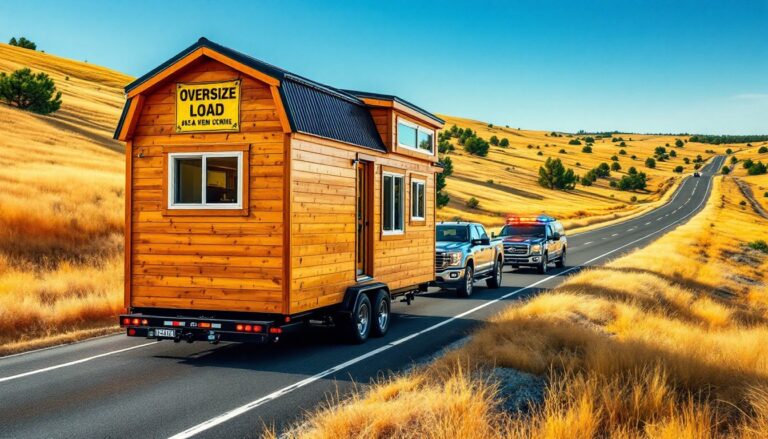
THOWs (tiny houses on wheels) face more restrictions. Many jurisdictions classify them as RVs, which are prohibited as primary residences in residential zones. Some counties, like Buncombe and Orange, have adopted ordinances allowing THOWs in specific districts or as ADUs on a primary lot. Others, like Wake County, are still debating the issue as of 2026.
Key questions to ask local planning departments:
- Is a tiny home allowed as a primary residence or only as an ADU?
- Are THOWs classified as RVs, and if so, can they be parked year-round?
- What’s the minimum dwelling size in the zoning district? (Some municipalities still have 600- or 800-square-foot minimums.)
- Are composting toilets or greywater systems permitted? (Regulations vary widely.)
- Does the property require septic or sewer hookup, and what’s the permitting cost?
If buying into a private tiny home community, confirm that the developer has secured all necessary permits and that the community is legally recognized by the county. Some communities operate in a grey area, tolerated but not formally approved, which can create problems with resale or financing.
Anyone planning a custom build should budget time and money for the permitting process. Expect $500–$2,000 in permit fees depending on the county, plus inspection costs. Using a licensed contractor (rather than pure DIY) can smooth the approval process, as inspectors are more familiar with professional work. Design inspiration and renovation case studies from outlets like HGTV can help visualize layouts that meet code while maximizing space.
Costs of Living in a North Carolina Tiny Home Community
Costs vary widely depending on location, land ownership model, and home type.
Purchase or build cost for a THOW ranges from $40,000 to $100,000+, depending on size, finishes, and whether it’s a DIY build, a shell from a manufacturer, or a turnkey custom unit. Foundation-built tiny homes generally cost $60,000 to $120,000, including sitework, utilities, and finishes. Expect to add 10–15% if hiring a general contractor rather than owner-building.
Land or lot lease varies by community. Monthly pad rent in eastern NC communities runs $300–$500, while Asheville-area lots can hit $600–$800. Communities where residents own the lot (like Tiny Estates) eliminate monthly rent but require an upfront land purchase, $15,000 to $50,000 depending on size and location.
Utilities are often comparable to apartment living. Electric bills in a well-insulated 300-square-foot home average $30–$70/month, depending on heating and cooling needs. Propane (if used for heat or cooking) adds another $30–$60/month in winter. Water and sewer, if metered separately, run $20–$50/month. Some communities include utilities in the pad rent.
HOA fees, where applicable, range from $50 to $200/month and typically cover common area maintenance, trash, and amenities.
Insurance for a THOW is tricky. Standard homeowners policies won’t cover a dwelling on wheels. Specialty tiny home insurance (available from a handful of carriers as of 2026) costs $600–$1,200/year for liability and property coverage. Foundation-built tiny homes qualify for traditional homeowners insurance, usually $400–$800/year in non-coastal zones.
Financing is another hurdle. Most conventional mortgage lenders won’t finance a THOW or a home under 600 square feet. Options include personal loans, RV loans (higher interest rates, shorter terms), or builder financing if purchasing from a manufacturer. Foundation-built tiny homes on owned land have better financing prospects, especially if they meet local minimum size requirements. For insights into broader housing cost trends and market shifts, Curbed regularly covers affordability and alternative housing models.
All-in, a realistic annual cost of living in a North Carolina tiny home community, including pad rent or mortgage, utilities, insurance, and HOA fees, ranges from $8,000 to $18,000, well below the state’s median housing cost.
Conclusion
North Carolina’s tiny home scene offers genuine options for downsizers, retirees, and minimalists, but it’s not a plug-and-play solution. Zoning varies wildly, financing is limited, and community fit matters as much as square footage. Do the assignments: visit communities in person, talk to current residents, confirm zoning and permitting with local officials, and budget conservatively. Tiny living works best when expectations match reality.