Table of Contents
ToggleTexas has become one of the fastest-growing states for tiny home living, and it’s not hard to see why. With sprawling rural land, relatively flexible zoning in certain areas, and a lower cost of living compared to coastal states, the Lone Star State offers a unique opportunity for those looking to downsize without sacrificing community. Tiny home communities provide infrastructure, shared amenities, and a built-in neighborhood, solving some of the biggest challenges tiny homeowners face. Whether someone’s drawn to minimalism, financial freedom, or just tired of maintaining a 2,500-square-foot house they don’t use, Texas tiny home communities are worth a serious look.
Key Takeaways
- Texas tiny home communities offer an affordable alternative to traditional housing, with lot rent typically ranging from $225–$550 per month and potential savings of 50–70% compared to conventional homes in the same region.
- Zoning laws and building codes vary significantly across Texas counties and cities, so prospective residents must verify local regulations, permits, and deed restrictions before purchasing land or joining a community.
- Popular tiny home communities in Texas include Community First! Village in Austin (200+ homes on 51 acres), Llano Exit Strategy near Llano, and Tiny Estates Elizabethtown in Buna, each offering different amenities and lifestyle options.
- Financing a tiny home requires non-traditional lending options such as RV loans, chattel loans, or builder financing, as conventional mortgages typically don’t apply to homes on wheels or small foundations.
- Texas stands out for tiny home living due to abundant affordable land, flexible zoning in select areas, no state income tax, and the lack of a unified statewide code that allows municipalities to create tiny home-friendly ordinances.
- Visiting communities in person and contacting local building departments before committing is essential to confirm what regulations are actually enforceable and find a tiny home community that matches your lifestyle and budget.
What Are Tiny Home Communities and Why Texas?
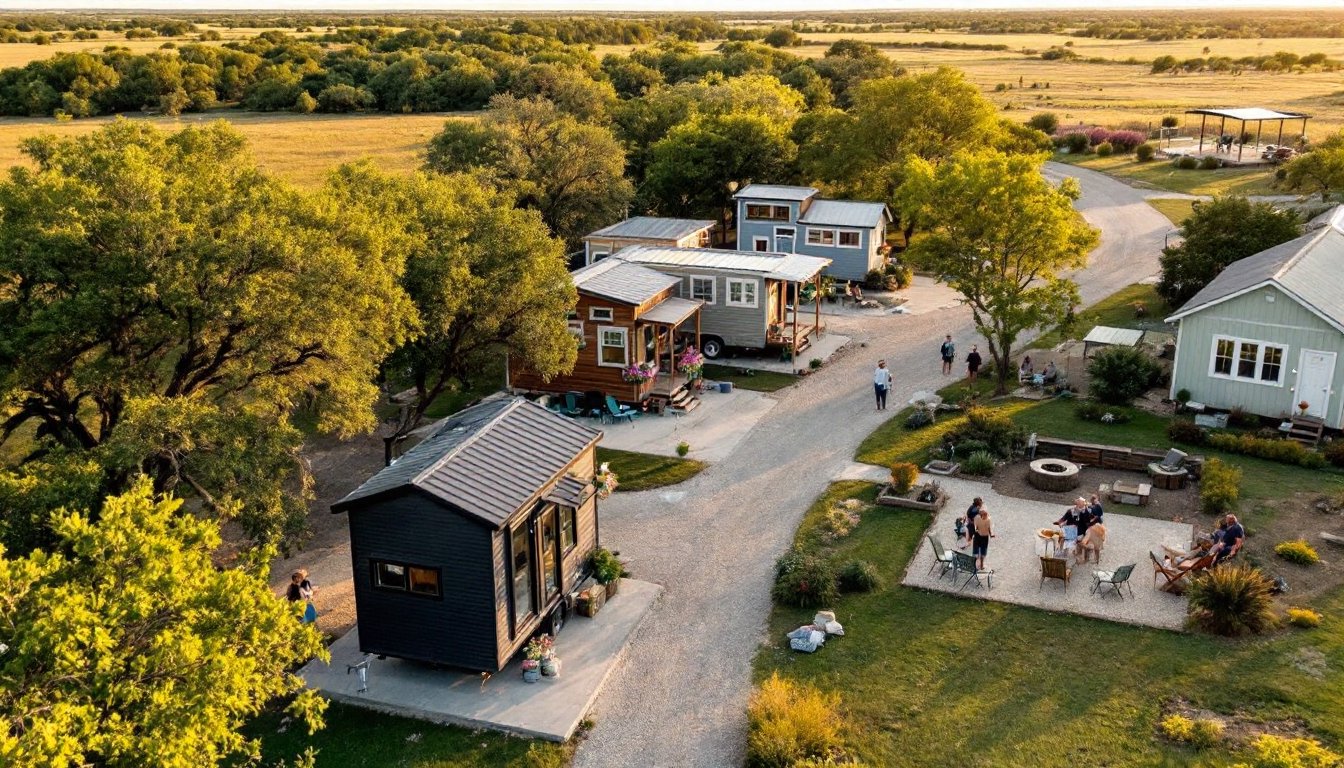
A tiny home community is a residential development designed specifically for homes typically under 400 square feet. Unlike parking a tiny house on wheels (THOW) in someone’s backyard or on raw land, these communities offer dedicated lots with hookups for water, sewer, and electricity. Many include shared spaces like community gardens, dog parks, workshops, and recreation areas.
Texas stands out for several reasons. First, land is abundant and comparatively affordable. Second, the state’s regulatory environment varies widely by county and municipality, meaning some areas have minimal restrictions on ADUs (accessory dwelling units) and tiny homes. Third, Texas has no state income tax, which appeals to retirees and remote workers looking to stretch their budgets further.
That said, Texas isn’t a free-for-all. Zoning laws, building codes, and deed restrictions still apply. Some counties welcome tiny homes on foundations as primary residences, while others restrict them to RV parks or require minimum square footage. The key is finding a community that’s already navigated the red tape and secured the necessary permits and variances.
Top Tiny Home Communities in Texas
Austin and Central Texas Options
Community First. Village in Austin is one of the most well-known. It started as a nonprofit development to provide affordable housing for the formerly homeless but has expanded to include market-rate lots. The community features over 200 tiny homes, RVs, and micro-homes on a 51-acre site. Amenities include a community market, outdoor cinema, and workshops. Lot rents run around $225–$430 per month depending on the home type, with residents owning or renting their structures.
Llano Exit Strategy near Llano (about 90 minutes northwest of Austin) offers a more rural vibe. It’s a 30-acre development with lots ranging from 1,800 to 3,600 square feet. Residents can bring their own THOW or build a tiny home on a foundation. The community has a shared pavilion, hiking trails, and access to the Llano River. Monthly lot fees are approximately $450–$550, which includes water, septic, and trash.
Spur Freedom in Spur (west Texas, near Lubbock) is unique. The town itself has rebranded as a tiny home-friendly municipality, offering vacant lots for as little as $500 to $2,000 with extremely loose building restrictions. It’s not a managed community with shared amenities, but it’s a legal option for those who want maximum autonomy. Expect to handle your own utilities and permitting, but the low barrier to entry is hard to beat.
Houston and East Texas Communities
Tiny Estates Elizabethtown in Buna (about 30 minutes north of Beaumont) is a gated community on 10 acres with RV-style lots and tiny home pads. It’s designed for THOW residents, with full hookups and a community clubhouse. Monthly lot rent is around $400–$475. It’s a quieter, wooded setting, ideal for retirees or remote workers who don’t need daily access to a major city.
Vintage Grace Church Tiny Home Community in Houston’s Fifth Ward is a faith-based development offering affordable tiny homes for low-income residents. It’s not open-market, but it’s worth mentioning as an example of how municipalities are experimenting with tiny housing as a solution to affordability and housing insecurity. The project includes 20 homes on a shared lot with community gardens and support services.
East Texas in general has fewer dedicated tiny home communities compared to Central Texas, but the region’s lower land costs and rural character make it easier to buy a lot outright and place a THOW or build a small cabin, provided local zoning allows it. Always check with the county’s planning and development office before purchasing land.
Zoning Laws and Regulations for Tiny Homes in Texas
Texas doesn’t have a unified statewide tiny home code. Regulations are handled at the county and city level, and they vary dramatically. Some municipalities have adopted appendices to the International Residential Code (IRC) that recognize tiny homes on foundations as dwelling units, while others classify them as RVs or travel trailers, restricting them to RV parks or temporary use.
Key distinctions:
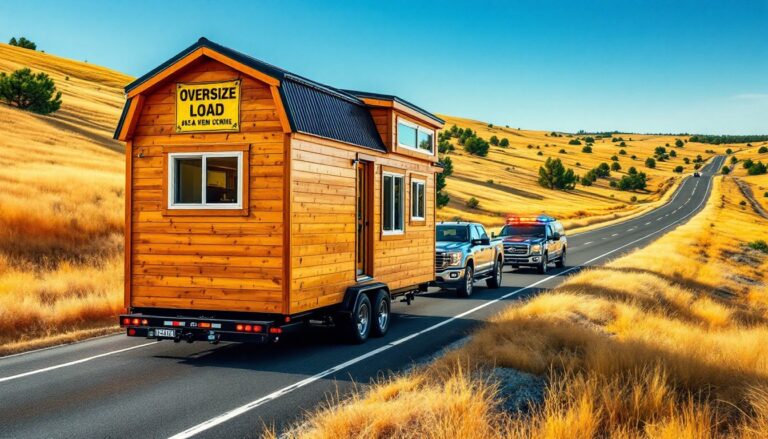
- Tiny homes on wheels (THOW): Often classified as RVs. Many cities prohibit permanent RV living in residential zones. But, RV parks and designated tiny home communities can legally host them.
- Tiny homes on permanent foundations: More likely to be treated as standard dwellings, subject to the same building codes as any other house. Minimum square footage requirements (often 500–1,000 square feet in suburban areas) can be a barrier unless the city has adopted a tiny home-friendly ordinance.
- Accessory Dwelling Units (ADUs): Some cities allow tiny homes as ADUs on the same lot as a primary residence. Austin, San Antonio, and Fort Worth have ADU-friendly codes, but rules on size, setbacks, and owner-occupancy vary.
Building codes and permits: If a tiny home is on a foundation, it must meet IRC standards, meaning proper egress windows, ceiling heights of at least 6’8″ in habitable rooms, insulation meeting energy code, and electrical/plumbing inspections. THOWs built to RVIA (Recreational Vehicle Industry Association) or NOAH (National Organization of Alternative Housing) standards may bypass some local building codes but are still subject to zoning restrictions.
Permits: Even in tiny home-friendly areas, expect to pull permits for electrical, plumbing, and potentially septic or foundation work. Communities like those highlighted in home design news often showcase projects that have successfully navigated permitting.
Deed restrictions and HOAs: Don’t overlook private restrictions. Even if county zoning allows it, an HOA or deed restriction can prohibit tiny homes. Always review covenants before buying land or joining a community.
Bottom line: Do your assignments. Contact the local building department, review zoning ordinances, and if possible, visit the community or lot in person to confirm what’s actually enforceable.
Costs and Financing Options for Tiny Home Living
Purchase costs for a tiny home vary widely based on whether it’s a DIY build, a turnkey THOW, or a custom-built structure on a foundation.
- DIY builds: $10,000–$30,000 for a basic THOW if someone has carpentry skills and sources materials carefully. Expect to invest 500+ hours of labor.
- Turnkey THOW: $50,000–$100,000+ from builders like Tumbleweed, Tiny Heirloom, or regional Texas builders. This includes appliances, finishes, and often delivery.
- Tiny homes on foundations: $40,000–$120,000 depending on size, finishes, and site work (foundation, utilities, permits). A simple 200-square-foot cabin might run $40,000: a 400-square-foot home with high-end finishes can easily hit six figures.
Lot rent or land purchase:
- Monthly lot rent in Texas tiny home communities typically ranges from $225–$550.
- Buying a lot outright in a community or rural area can cost anywhere from $500 (Spur) to $50,000+ depending on location, utilities, and amenities.
Financing challenges: Traditional mortgages don’t apply to most tiny homes. If it’s on wheels, it’s considered personal property, not real estate. Options include:
- RV loans or personal loans: Rates are higher than mortgages (often 6–12% APR), and terms are shorter (7–15 years).
- Chattel loans: Designed for manufactured homes and some THOWs. Requires the home to meet certain standards.
- Home equity loans or cash-out refinancing: If someone already owns a primary residence, they can tap equity to fund a tiny home.
- Builder financing: Some tiny home builders offer in-house financing, though terms vary.
- Cash: The most common route. Many tiny homeowners save up or sell a larger home to buy outright.
Ongoing costs:
- Lot rent or property taxes (if owned)
- Utilities (electricity, water, propane, internet)
- Insurance ($500–$1,200/year for THOW: homeowners insurance if on a foundation)
- Maintenance (roofing, siding, HVAC, composting toilet upkeep, etc.)
Cost comparisons: According to small space living ideas, tiny homes can slash housing costs by 50–70% compared to traditional homes in the same region, but only if land or lot rent is affordable. Don’t forget to budget for the less obvious expenses, propane delivery, septic pumping, or RV park fees if temporarily housing the THOW during construction.
For those considering financing, check if the community or builder is familiar with lenders who specialize in tiny homes. Some credit unions in Texas have started offering tiny home-specific loan products as demand grows.
Conclusion
Tiny home communities in Texas offer a practical path to affordable, intentional living, but they’re not a plug-and-play solution. Success depends on understanding local zoning, choosing a community that fits lifestyle and budget, and being realistic about financing and ongoing costs. Whether drawn to the creative possibilities featured in renovation inspiration or simply looking to cut housing expenses, Texas remains one of the most accessible states for tiny living in 2026.