Table of Contents
ToggleTiny home expos have evolved from niche gatherings into full-scale showcases of compact design, innovative building systems, and off-grid technologies. These events bring together builders, suppliers, and hundreds of attendees curious about downsizing, simplifying, or building a space-efficient second dwelling. Whether someone’s planning a full-time tiny house on wheels or exploring backyard ADU options, an expo offers hands-on access to models, materials, and real-world cost breakdowns that online research can’t match. It’s part home show, part education summit, and the fastest way to turn small-space curiosity into an actionable build plan.
Key Takeaways
- A tiny home expo provides hands-on access to fully furnished models, builder comparisons, and expert workshops that compress months of online research into a single productive day.
- Attending a tiny home expo allows you to test critical details like ceiling heights, loft access, storage solutions, and appliance functionality that floor plans and photos cannot convey.
- Expos feature diverse dwelling types including tiny houses on wheels, park models, ADUs, and container conversions, with workshops covering zoning, financing, DIY builds, and off-grid systems.
- Spring and fall expos cluster heavily across the US in major cities like Portland, Denver, Austin, and Charlotte, with event information available through tiny house associations, builder websites, and social media communities.
- Preparing your visit by reviewing exhibitors, measuring existing spaces, clarifying your budget, and asking detailed questions about specs, lead times, and construction methods transforms a casual browse into an actionable build plan.
What Is a Tiny Home Expo and Why Should You Attend?
A tiny home expo is a temporary event, typically held in convention centers, fairgrounds, or large outdoor venues, where tiny house builders, trailer manufacturers, appliance suppliers, and solar power companies display their products and services. Unlike a general home show, these expos focus exclusively on dwellings under 400 square feet, including tiny houses on wheels (THOWs), park model RVs, shipping container conversions, and prefab micro-cabins.
Attending offers several practical advantages. First, visitors walk through fully finished models, opening cabinets, testing loft ladders, and assessing headroom in sleeping areas, details that photos and floor plans can’t convey. Second, expos consolidate dozens of builders and vendors in one location, making side-by-side comparisons possible without driving across multiple states. Third, many events host workshops on zoning laws, financing options for non-traditional dwellings, and DIY build techniques, all taught by people who’ve navigated the regulatory and construction challenges firsthand.
For anyone serious about building or buying, an expo replaces weeks of online research with a single day of tangible evaluation. It’s also the place to ask blunt questions about towing capacity, grey water systems, and whether a composting toilet will actually work for a family of three.
What to Expect at a Tiny Home Expo
Most expos run between one and three days and feature a mix of static displays, open-house-style tours, and scheduled programming. Admission typically ranges from $10 to $25 for general entry, with VIP packages offering early access or guided tours. Parking can be tight: arrive early or use event shuttles if available.
Tiny Home Models and Tours
The main draw is the collection of towable and foundation-built tiny homes staged indoors or on outdoor lots. Builders bring their showcase units, fully furnished, wired, and plumbed, so attendees can experience the spatial realities of compact living. Expect to see:
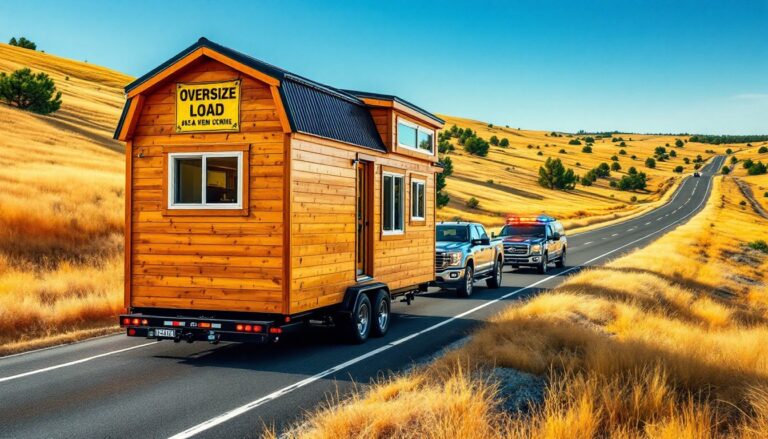
- Tiny houses on trailers: Built on dual-axle or gooseneck trailers, these range from bare-bones shells to luxury builds with hardwood floors, quartz counters, and mini-split HVAC systems. Check trailer specs carefully: many require a 3/4-ton or larger truck for safe towing.
- Park models and ADUs: These are wider units (often 8.5 feet) designed for semi-permanent placement. They comply with IRC Appendix Q (where adopted) or local ADU ordinances and usually require a concrete pad or pier foundation.
- Container and prefab models: Manufacturers showcase modular designs that ship flat-packed or in finished sections, often with integrated SIPs (structural insulated panels) for superior insulation.
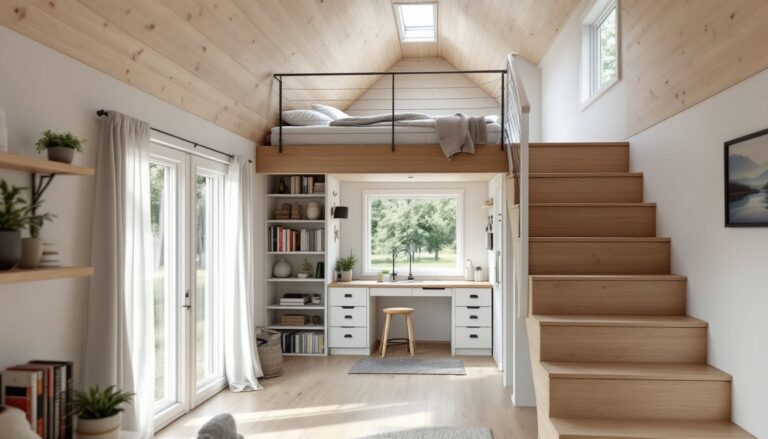
Bring a tape measure. Door widths, countertop depth, and shower dimensions matter when living in tight quarters. Pay attention to ceiling height in lofts, anything under 3 feet 6 inches becomes a crawl space, not a bedroom. Visitors interested in maximizing storage should look for examples of small space living ideas that translate well into tiny home layouts, such as under-stair drawers and fold-down tables.
Workshops and Expert Panels
Most expos schedule 30- to 60-minute sessions throughout the day. Topics vary by event but commonly include:
- Zoning and permitting: Navigating local codes, variance applications, and the difference between RV parks, tiny home communities, and private land placement.
- Financing: How to secure loans for non-traditional structures (hint: RV loans, personal loans, and construction loans each have different terms and interest rates).
- DIY builds: Framing techniques, trailer selection, electrical rough-in for 30-amp vs. 50-amp service, and weatherproofing.
- Off-grid systems: Sizing solar arrays, choosing between lithium and AGM batteries, and managing water catchment in areas with seasonal rainfall.
Workshops often feature builders who’ve completed dozens of projects or owners who’ve lived tiny for years. They’ll discuss real costs, including the $15,000 to $25,000 often spent on a quality trailer alone, and the mistakes that inflate budgets. This is where attendees learn that spray foam insulation isn’t optional in cold climates and that composting toilets require regular maintenance, not magic.
How to Find Tiny Home Expos Near You
Tiny home expos are held year-round but cluster heavily in spring and fall when weather favors outdoor displays. To locate upcoming events:
- Search regional tiny house associations: Many states have advocacy groups (e.g., Tiny Home Industry Association chapters) that maintain event calendars.
- Check builder websites: Major tiny home manufacturers, like Tumbleweed, Tiny Heirloom, and New Frontier, often list expos where they’ll have models on display.
- Use event aggregators: Sites like Eventbrite or tiny-specific directories publish schedules by region, including smaller DIY-focused meetups.
- Follow social media: Facebook groups and Instagram accounts for tiny living communities post event announcements, discount codes, and recaps.
Large expos in cities like Portland, Denver, Austin, and Charlotte draw 1,000+ attendees per day, while smaller regional shows may feature just a handful of builders. If a major event isn’t nearby, consider a park model dealership open house or a builder’s yard tour, many offer similar access without the expo fee.
Those exploring design inspiration for compact interiors will find that principles from modern home design often overlap with tiny house aesthetics, particularly in material selection and space-efficient furniture.
Making the Most of Your Tiny Home Expo Visit
Preparation turns a casual browse into a productive research trip. Start by clarifying goals: Is this exploratory, or is there a firm plan to purchase or build within the next 12 months? The answer shapes which booths to prioritize and which questions to ask.
Before the expo:
- Review the exhibitor list (usually posted online) and flag must-see builders.
- Measure any existing trailer, vehicle, or land plot to compare against model dimensions.
- Prepare a budget range and financing status, builders take serious buyers more seriously.
- Charge a phone or tablet for photos and note-taking: floor plans and contact info pile up quickly.
At the expo:
- Tour with intention. Open every cabinet, test loft access, and sit in seating areas. If a space feels cramped at an expo, it’ll feel cramped at home.
- Ask about lead times and deposits. Custom builds can take 6 to 18 months from contract to delivery: production models may be available sooner.
- Request detailed spec sheets. Get exact trailer weight ratings, R-values for insulation, appliance brands, and electrical panel capacity. These matter for towing, energy use, and future upgrades.
- Compare construction methods. Stick-frame, SIPs, and metal framing each have pros and cons for weight, insulation, and ease of DIY modification.
- Talk to owners, not just salespeople. Many expos invite tiny home residents to share their models and experiences. They’ll discuss real-world challenges like condensation management, heating costs, and whether that fancy European washer-dryer combo actually works.
Safety and codes:
If planning a DIY build, ask about compliance with ANSI A119.5 (for park models) or RVIA certification (for RVs). These standards affect insurance, financing, and legal placement. For foundation-built tiny homes, confirm whether the design meets IRC Appendix Q minimums: at least one room of 120 square feet, a ceiling height of 6 feet 8 inches in bathrooms, and lofts used for sleeping (not just storage).
Finally, don’t skip the accessory vendors. Companies selling mini-split HVAC units, marine-grade tankless water heaters, and low-flow fixtures offer product demos and installation tips. Simplifying systems and gear is central to tiny living, and many visitors benefit from strategies around home organization and decluttering before even starting a build.
After the expo:
- Follow up with builders within a week while details are fresh.
- Cross-reference prices and features: expo discounts are common but not always the best long-term deal.
- Join online communities or local meetups mentioned at the event for ongoing support and resale opportunities.
Conclusion
Tiny home expos compress months of research into a hands-on, high-information day. Attendees leave with realistic cost estimates, vetted builder contacts, and a clear sense of whether compact living aligns with their needs and local regulations. For anyone moving past the browsing phase, an expo is the most efficient next step, and the place where tiny house dreams either sharpen into blueprints or reveal themselves as better suited to a weekend Airbnb.