Table of Contents
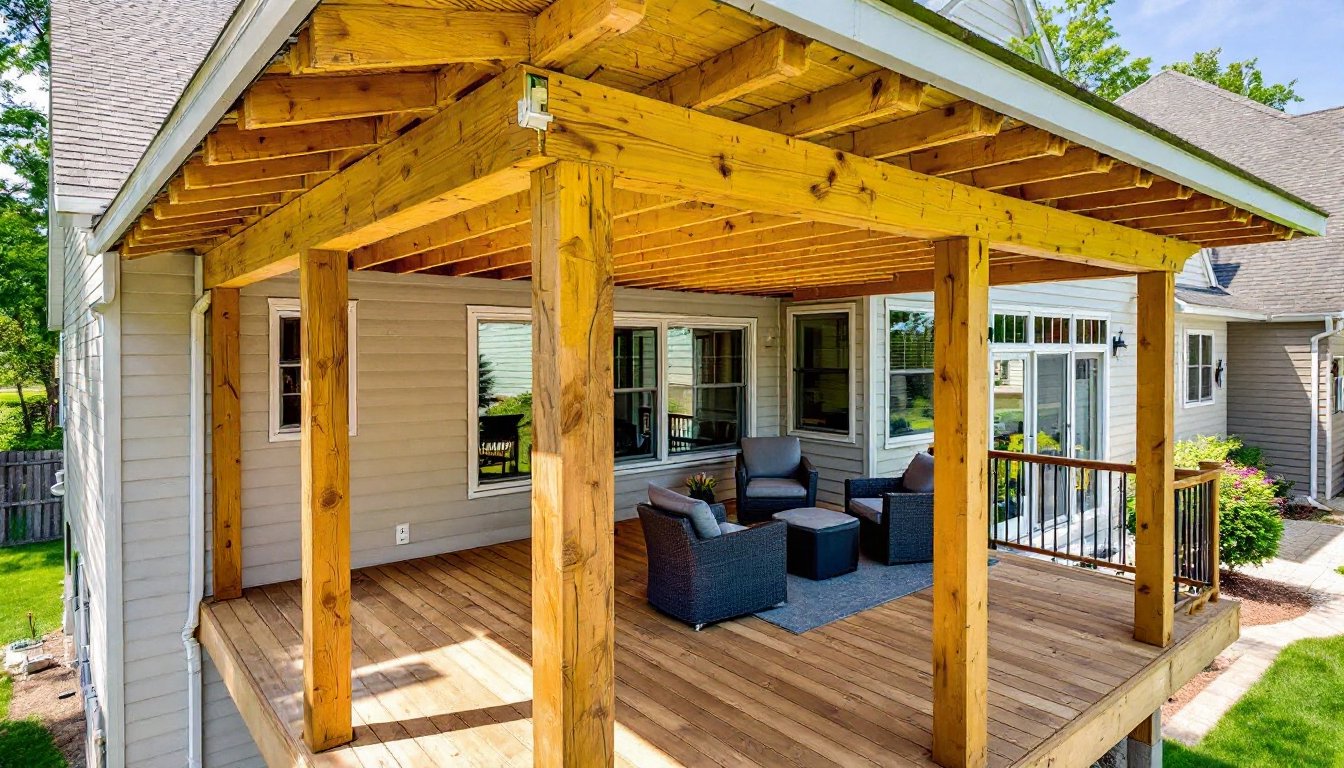
ToggleAdding a roof to a second story deck transforms it from a seasonal space into a year-round retreat. Whether the goal is shade from summer sun, shelter from rain, or a defined outdoor room, a covered deck extends usable square footage without the cost of a full room addition. This project sits at the intersection of carpentry, roofing, and structural engineering, it’s more involved than building a ground-level pergola, but well within reach for experienced DIYers who understand framing and local building codes. Before ordering materials or sketching plans, homeowners need to understand design options, structural requirements, permitting, and realistic costs.
Key Takeaways
- A covered second story deck transforms seasonal outdoor space into a year-round retreat by reducing surface temperatures 20-30°F and protecting furnishings from UV damage and weather.
- Ledger-attached roofs offer clean integration with your home, while freestanding structures eliminate water intrusion risk but require more posts and deeper footings for wind resistance.
- Material choices range from affordable asphalt shingles ($100-$150 per square) to durable metal roofing ($400-$700) and lightweight polycarbonate panels, each suited to different pitch requirements and climates.
- Structural reinforcement is critical—verify that existing deck posts, beams, joists, and footings can handle the added dead and live load, often requiring a structural engineer for $300-$800.
- Budget $5,000-$10,000 for professional installation of a typical 300-square-foot covered deck roof, or half that cost with DIY labor if you have carpentry experience.
- Proper ledger attachment with flashing, fasteners at 16 inches on center, and wind uplift protection are non-negotiable code requirements that prevent structural failure and insurance complications.
Why Add a Roof to Your Second Story Deck
A bare second story deck has limited use in many climates. Midday sun makes composite or dark decking uncomfortably hot, and outdoor furniture fabric fades within a season. Rain shuts down gatherings, and morning dew keeps the space unusable until late morning.
A roof changes the equation. It blocks UV rays that damage furnishings and reduces surface temperatures by 20-30°F on composite decking. Homeowners gain shelter for grills, seating, and even outdoor kitchens. In regions with heavy snow, a properly engineered roof prevents dangerous snow loads from accumulating on the deck structure itself.
Roofed decks also boost home value in climates where outdoor living is a priority. Appraisers often count covered decks as semi-conditioned space, which can add measurable square footage to listings. The structure needs to look intentional, though, an afterthought roof with mismatched materials can actually hurt curb appeal.
Finally, a roof opens the door to additional upgrades: ceiling fans, recessed lighting, or even infrared heaters for shoulder-season use. Without overhead cover, running electrical to a deck is rarely worth the expense.
Design Options for Covered Second Story Decks
Attached vs. Freestanding Roof Structures
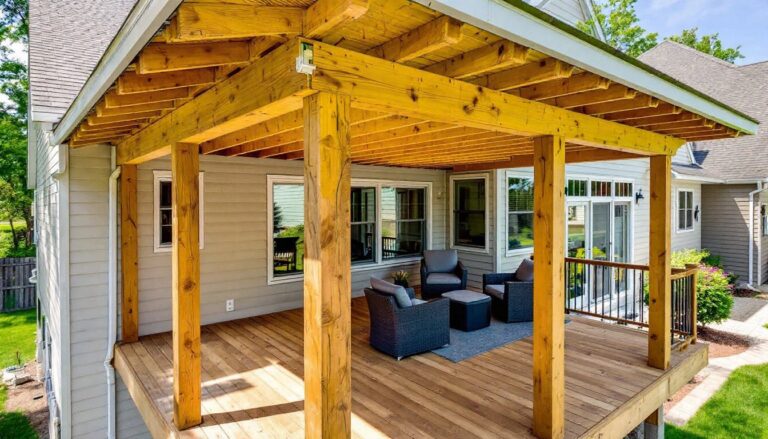
The most common approach is a ledger-attached roof, where one side bolts directly to the house’s rim joist or band board, and the outer edge rests on posts or beams. This method matches the existing deck’s attachment style and creates a clean, integrated look. The ledger must fasten to solid framing, not siding or sheathing alone, and requires flashing to prevent water intrusion behind the house wrap. Most jurisdictions require through-bolts or lag screws at 16 inches on center, and the ledger should be pressure-treated lumber or rot-resistant material.
A freestanding roof structure doesn’t attach to the house at all. Four (or more) posts support the entire roof, which hovers above the deck independently. This approach simplifies permitting in some areas, avoids any risk of water damage to the home’s envelope, and works well when the existing house wall isn’t suitable for a ledger (brick veneer, EIFS, or no accessible rim joist). The trade-off: more posts on the deck, which eat into usable floor space and require deeper footings to resist wind uplift. Depending on your project, you might review examples of decking over a roof applications for advanced configurations.
Roof Material Choices and Their Benefits
Asphalt shingles are the go-to for attached roofs that need to match the main house. They’re affordable ($100–$150 per square installed), familiar to inspectors, and available in colors that coordinate with existing roofing. Minimum pitch is typically 3:12, though some manufacturers allow 2:12 with underlayment upgrades. For a second story application, shingles add minimal weight, about 2.5 pounds per square foot.
Metal roofing (standing seam or corrugated) handles lower slopes, down to 1:12 for standing seam, and sheds snow and debris faster than shingles. It’s louder in rain but lasts 40+ years with little maintenance. Cost runs $400–$700 per square installed. Metal pairs well with modern or farmhouse exteriors and comes in a wide range of colors. For second story decks with minimal pitch, metal is often the only code-compliant choice.
Polycarbonate or corrugated fiberglass panels let light through while blocking rain. They’re popular for roofs over hot tubs or dining areas where full shade isn’t wanted. Panels cost $2–$5 per square foot and install quickly over purlins, but they yellow over time and offer little insulation value. They work on slopes as low as 1:12 and are lightweight enough that existing deck framing often needs no reinforcement.
Tongue-and-groove cedar or composite boards create a finished ceiling underneath, with a waterproof membrane (EPDM, TPO, or peel-and-stick) and shingles or metal on top. This approach is labor-intensive but delivers a high-end look. Expect to add $8–$12 per square foot just for the tongue-and-groove layer and membrane.
Structural and Building Code Considerations
A roof adds dead load (the weight of the structure itself) and live load (snow, wind, maintenance workers) to the existing deck. Before framing anything, verify that the deck’s posts, beams, joists, and footings can handle the extra weight. The International Residential Code (IRC) requires decks to support 50 pounds per square foot live load, but a roof structure can add another 15–30 PSF depending on materials and local snow load.
If the existing deck was built to minimum code, adding a roof may require additional posts, larger beams, or deeper footings. A structural engineer can run the calculations for a few hundred dollars, well worth it to avoid a collapse. Many jurisdictions require stamped drawings for any roof over a deck, even if the deck itself didn’t need an engineer’s seal.
Ledger attachment is a common failure point. The ledger board must fasten to the house’s rim joist, not just the siding. Remove siding and install self-adhering flashing behind and over the ledger, lapping it over the house wrap like roofing shingles. Use ½-inch galvanized lag screws or through-bolts in a staggered pattern, and seal penetrations with caulk rated for exterior use. Inspectors will check this closely.
Roof pitch affects material choice and drainage. A 4:12 pitch or steeper works with any roofing material and sheds water quickly. Between 2:12 and 4:12, asphalt shingles require two layers of underlayment or an ice-and-water barrier. Below 2:12, only metal or membrane roofing is code-compliant in most areas.
Wind uplift is a real concern on second story roofs. High winds can lift a lightweight roof off its posts if connections aren’t adequate. Use hurricane ties or simpson straps at every rafter-to-beam connection, and bolt posts to the deck framing with carriage bolts or structural screws. In coastal or high-wind zones, engineered connectors are mandatory.
Permitting timelines vary, but expect 2–6 weeks for plan review in most suburban areas. The project will likely require footings inspection, framing inspection, and final inspection. Skipping permits is tempting but risky, unpermitted structures can complicate insurance claims, home sales, and refinancing. Resources from trusted home improvement sites like This Old House and Bob Vila offer additional code and safety guidance for deck projects.
Safety note: Always wear safety glasses, work gloves, and a hard hat when working overhead. Use fall protection (harness and lanyard) when working on the roof structure above the second story deck. A second person should be present for any beam or rafter installation.
Cost Breakdown: What to Budget for Your Covered Deck
Costs vary widely based on roof size, materials, and whether the existing deck needs reinforcement. For a 200-square-foot roof (roughly 10×20 feet) with mid-grade materials and DIY labor, here’s a realistic breakdown:
Materials:
- Pressure-treated posts (6×6, three at 10 feet): $150–$250
- Beams (double 2×8 or engineered): $200–$400
- Rafters (2×6 or 2×8 at 16″ OC): $250–$400
- Roofing (asphalt shingles, underlayment, drip edge): $300–$500
- Fasteners, hangers, ledger bolts, flashing: $100–$200
- Concrete for footings (if needed): $50–$100
Total DIY material cost: $1,050–$1,850
Hiring a contractor typically triples the material cost. Professional installation for the same 200-square-foot roof runs $3,500–$7,000, depending on region and complexity. Add $500–$1,200 if structural reinforcement or additional footings are required.
Upgrade costs:
- Engineered drawings: $300–$800
- Metal roofing instead of shingles: +$600–$1,200
- Tongue-and-groove ceiling: +$800–$1,500
- Electrical (lights, fan, outlets): $500–$1,500 (permit and licensed electrician required in most areas)
- Gutters and downspouts: $200–$500
Permit fees range from $150–$600 depending on jurisdiction and project value. Budget an extra 10–15% for unexpected issues, rotted rim joists discovered during ledger installation, undersized existing footings, or last-minute material price increases.
For a typical 300-square-foot second story deck roof built to code with professional help, homeowners should budget $5,000–$10,000. DIYers with carpentry experience can cut that in half by providing their own labor, but this isn’t a beginner project.
Conclusion
A covered second story deck is a substantial project, but the payoff, year-round usable outdoor space, makes it one of the highest-value home improvements. Success depends on honest assessment of existing structure, choosing the right roof design for climate and budget, and following code requirements without shortcuts. Homeowners comfortable with framing and roofing can tackle this as a DIY project: others should hire a licensed contractor and keep close oversight of ledger attachment, flashing, and structural connections. Either way, the result is a functional outdoor room that extends living space and protects the deck investment underneath.